

Summer break is important for students. It gives them time to rest, travel, play, spend time with family, and step away from daily academic pressure.
But when school reopens, teachers often face a familiar challenge.
Some students return energetic but distracted. Some remember the last chapter clearly, while others need a full recap. Some have completed vacation work properly. Others have lost touch with classroom routines altogether.
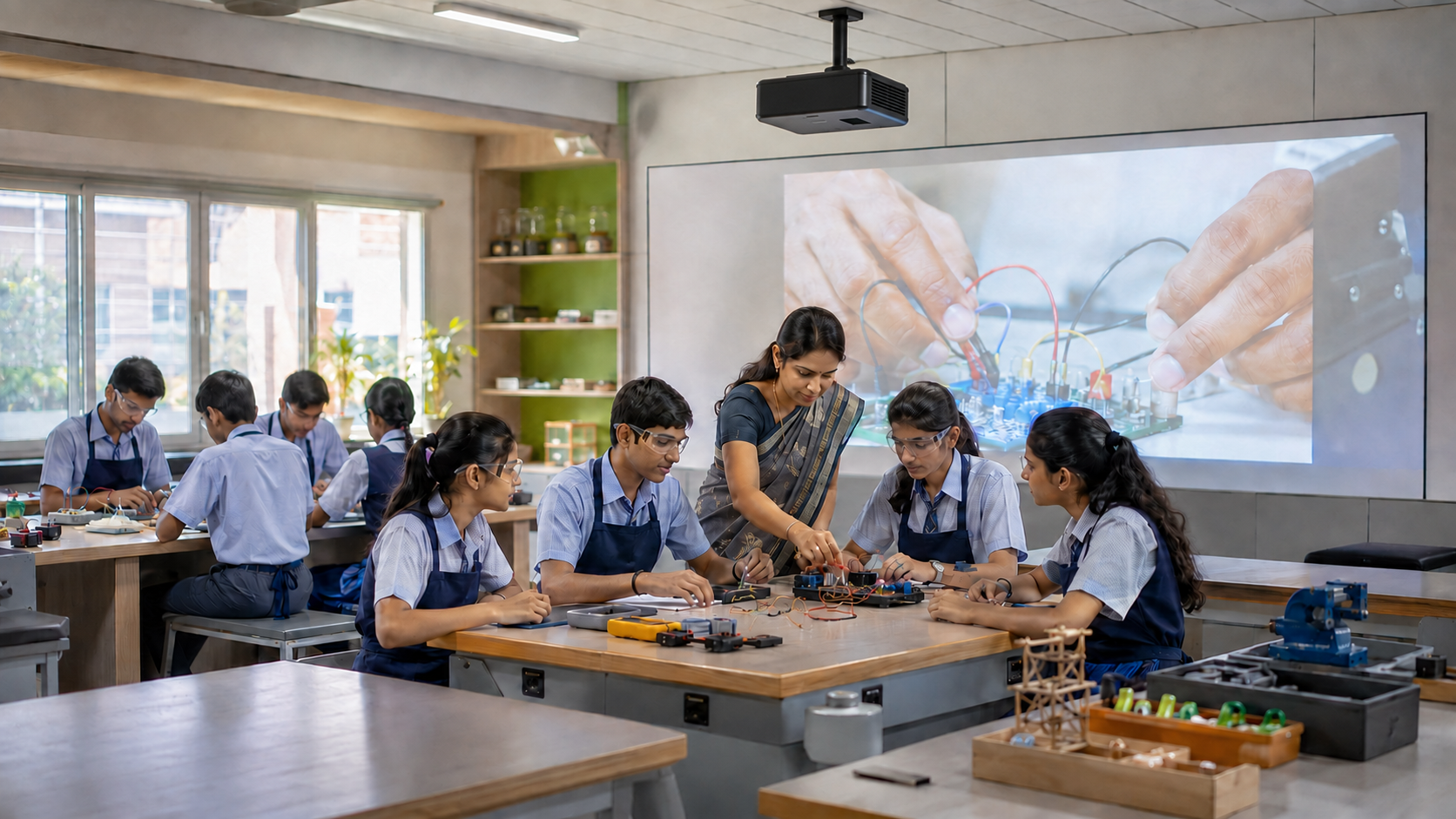
This is where smart classroom solutions can help schools restart learning with more structure. Instead of depending only on back-to-school activities or one-way revision, schools can use interactive teaching, quick assessments, recorded lesson recaps, targeted remedial teaching, and performance insights. They make it easier for teachers to identify learning gaps early and rebuild student participation from the first week of reopening.
This blog explains how schools can use smart classroom solutions to re-engage students after summer break and restart the academic year with more confident, connected, and interactive classrooms.
Why Schools Need a Re-Engagement Plan After Summer Break
The first few days after reopening are not just about continuing the syllabus.
They are about checking whether students are ready to continue.
A teacher may have completed fractions, grammar rules, chemical reactions, or map work before vacation. But after a long break, the class may not return with the same level of recall.
A school that moves ahead too quickly can create hidden gaps. A school that spends too much time reteaching everything may lose academic pace.
A structured re-engagement plan helps teachers find the balance.
With the right smart classroom solutions, schools can:
- Check what students remember
- Revise weak concepts quickly
- Make students participate again
- Support late-returning or absent students
- Plan remedial teaching based on evidence
- Reduce repetitive work for teachers
- Make the reopening period more productive
This is where a digital classroom becomes more than a display screen. It becomes a system for restarting learning.
Where Traditional Classrooms Struggle After Summer Break
Many teachers already know which topics students usually forget after vacation. The problem is that they often do not have enough time or tools to confirm those gaps properly.
In a traditional classroom, the reopening pattern often looks like this:
- Teacher gives a quick oral recap.
- A few active students answer.
- The class appears ready.
- The teacher starts the next chapter.
- The first test later reveals deeper gaps.
This creates a delay between the problem and the intervention.
By the time teachers identify who needs help, the class has already moved ahead.
A basic smart classroom with only a screen may not solve this either. It can show videos, slides, or diagrams, but it may not help teachers assess, record, track, and personalize learning.
That is why schools evaluating smart classroom solutions should look beyond presentation features.
The real question is:
Can the system help teachers understand whether students are ready to learn again?
How Smart Classroom Solutions Support Post-Summer Student Re-Engagement
The best smart classroom solutions help teachers combine revision, interaction, assessment, and follow-up in one classroom workflow.
This is especially useful after summer break, when student readiness is uneven.
1. Start With Quick Diagnostic Assessments
The first week after summer break should not begin with heavy testing. But it should include quick concept checks.
For example, a Class 7 maths teacher may want to know whether students still understand fractions, decimals, and percentage conversion before starting ratio and proportion.
Instead of waiting for a formal test, the teacher can run a short 10-question quiz.
The results may show:
This is where assessment tools in education become useful.
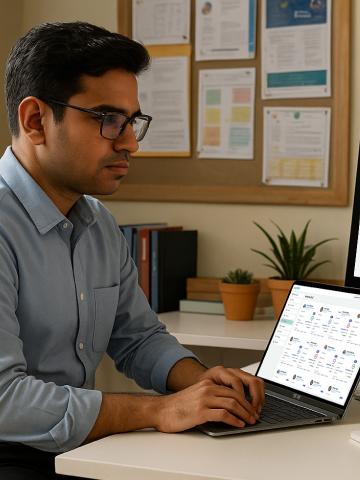
They help teachers move from guesswork to evidence. Instead of asking, “Did everyone understand?” teachers can see which topic needs attention.
Roombr aligns well with this need because it supports AI-enabled tests, automated evaluation, student performance tracking, and instant feedback. These tools help teachers identify learning gaps early and plan timely interventions.
2. Make Revision Interactive, Not Passive
Many schools restart learning with revision lectures. The teacher explains the previous topic again, students listen, and the class moves on.
But passive revision does not always rebuild attention.
After summer break, students need to participate. They need to answer, solve, annotate, discuss, and correct mistakes.
A digital classroom can make this easier when it supports live interaction.
For example:
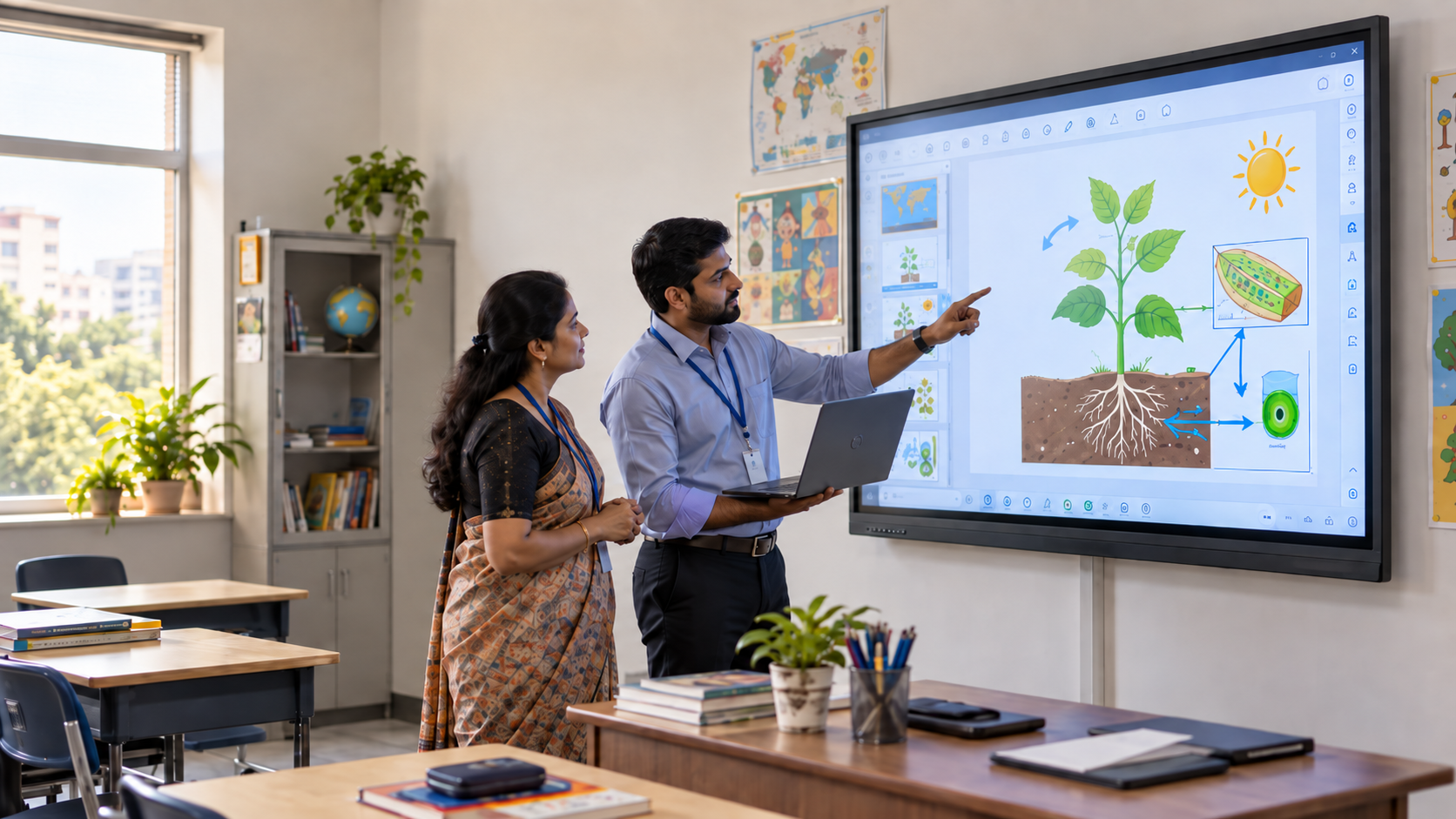
- In science, students can label parts of a diagram on the interactive board.
- In English, students can identify grammar errors in a displayed paragraph.
- In maths, students can solve a problem step by step on the board.
- In geography, students can mark rivers, states, or climate zones on a map.
- In history, students can arrange events in the correct timeline.
This type of digital collaboration in the classroom helps students return to active learning.
It also helps teachers see who is participating, who is hesitant, and who may need extra support.
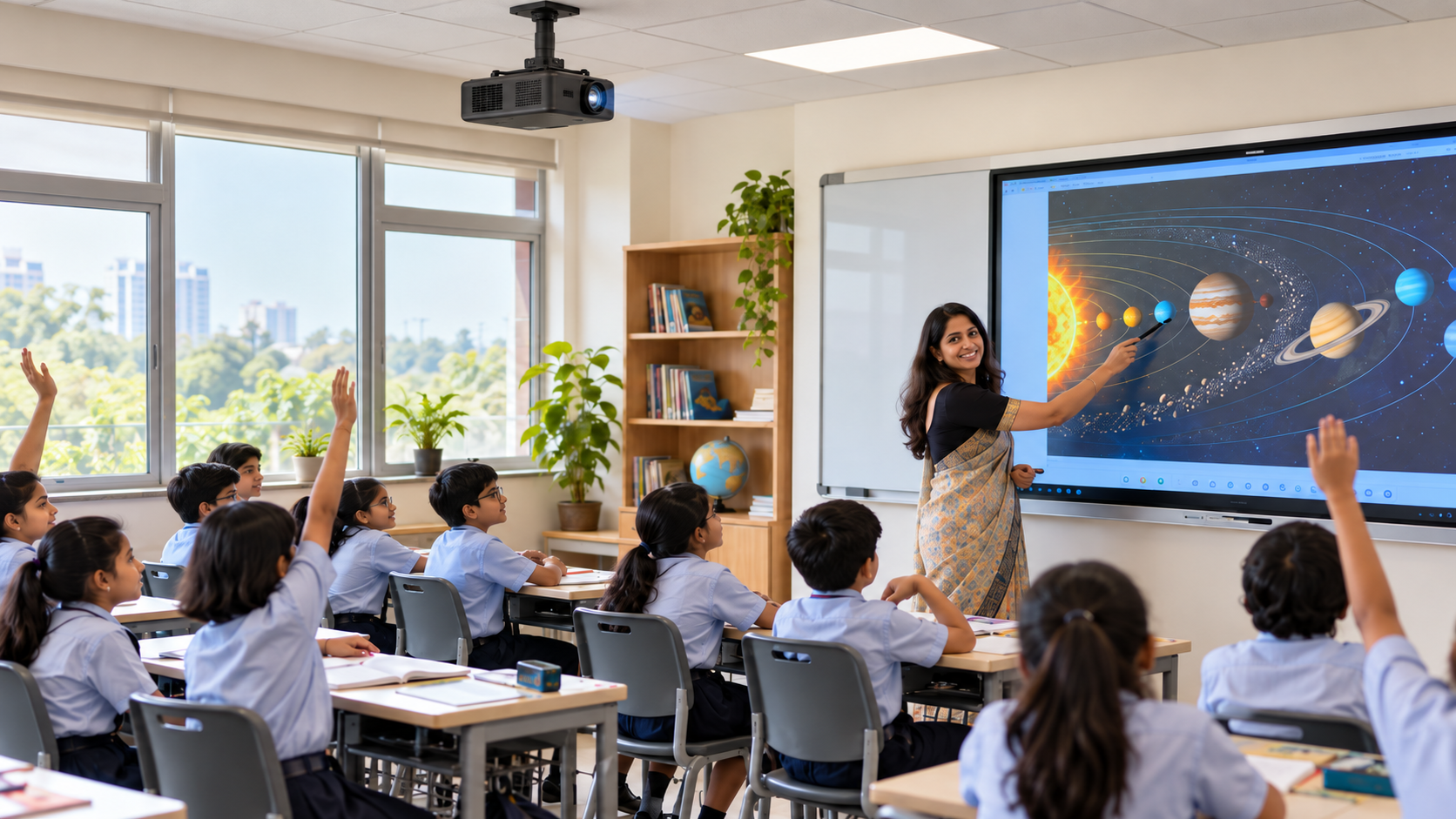
Roombr’s interactive whiteboard, screen sharing, collaborative tools, and large immersive display support this kind of active classroom environment. Instead of turning the lesson into a one-way presentation, the teacher can make students part of the learning process.
3. Use Recorded Lessons for Targeted Recap
One of the biggest challenges after summer break is reteaching.
Teachers may need to revisit old concepts, but they cannot spend two weeks repeating everything. This is especially difficult in schools with multiple sections, fixed academic calendars, and board exam pressure.
This is where recorded lessons become powerful.
With the right smart classroom solutions, teachers can use recorded lessons as structured recap material.
For example, before starting a new physics chapter, a teacher can assign:
- One 12-minute recorded recap of the previous chapter
- One short concept video
- One five-question quiz
- One doubt-clearing activity in class
This saves time because the teacher does not need to repeat the entire lesson for everyone.
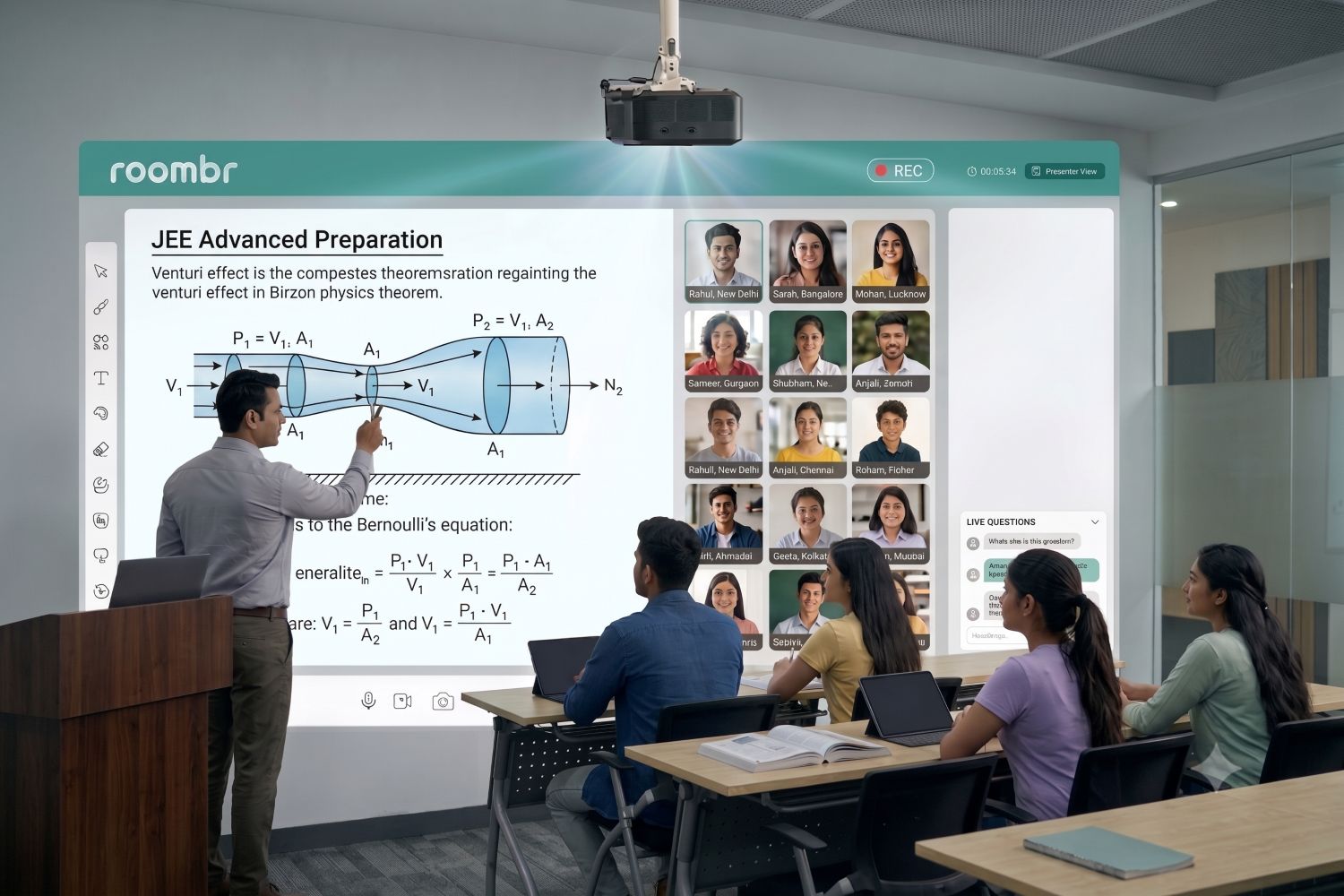
Roombr supports automatic lesson recording and AI chapterization, making it easier for teachers to create structured micro-learning modules from classroom sessions. Students can revisit recorded lessons and learning materials later, which helps reduce gaps after long breaks.
4. Support Remedial Teaching Without Slowing the Whole Class
After summer break, not every student needs the same support.
Some students need only a quick recap. Some need practice. Some need a deeper explanation. Some need confidence before they participate again.
A good, smart classroom setup should help teachers manage these different needs without slowing down the entire class.
This is where remedial teaching becomes more effective.
Instead of running one generic revision session for everyone, teachers can use assessment results to group students by need.
This makes remedial teaching more targeted.
It also helps schools avoid two common mistakes: ignoring gaps or reteaching everything to everyone.
Roombr’s performance insights, assessments, instant feedback, and recorded class access support this kind of differentiated classroom recovery.
Smart Classroom Solutions vs Basic Digital Boards After Summer Break
Many schools already have some form of classroom technology. But after summer break, the difference between a basic display and a holistic classroom system becomes clear.
This comparison matters for decision-makers.
If a school wants technology only to display content, a basic screen may seem enough. But if the goal is to re-engage students, identify gaps, support revision, and improve learning continuity, schools need more complete smart classroom solutions.
Activities for Digital Collaboration in Classroom
Student re-engagement is not only academic. It is also behavioural.
After a long break, students may need help rebuilding classroom habits:
- Listening actively
- Responding to questions
- Solving problems
- Working with peers
- Taking notes
- Asking doubts
- Completing tasks on time
This is why activities that support digital collaboration in the classroom are useful after reopening.
Teachers can use a digital classroom tools to run simple but high-impact activities such as:
- “Correct the wrong answer” exercises
- Live problem-solving on the board
- Quick confidence polls
- Group explanation tasks
- Visual concept mapping
- Diagram labelling
- Student-led recap sessions
These activities help students shift from vacation mode to learning mode.
They also give teachers immediate feedback on whether the class is ready for deeper instruction.
Roombr’s real-time collaboration, AI-powered screen sharing, interactive classroom tools, and hybrid learning support make these workflows easier to conduct in daily teaching.
What Schools Should Look for in Smart Classroom Solutions After Summer Break
For a buyer, this is the most important question:
What should a school check before choosing a solution?
Here are the key features that matter for post-summer re-engagement.
1. Interactive Teaching Tools
A good solution should allow teachers to explain, annotate, highlight, zoom, compare, and interact with content.
It should not turn the classroom into a passive video-watching space.
2. Built-In Assessment Tools
Schools should look for assessment tools in education that help teachers run quick checks, evaluate responses, and identify weak areas.
Manual checking alone is difficult when teachers handle multiple sections.
3. Lesson Recording and Easy Access
Recorded lessons should not sit in random folders.
They should be easy to access, organize, and reuse for revision, absentees, and remedial support.
4. Student Performance Insights
The system should help teachers and academic heads see learning gaps early.
If the school cannot track student progress, it may only discover problems after formal exams.
5. Hybrid and Catch-Up Learning Support
Some students may miss reopening days due to travel, illness, or late return from vacation.
A strong system should help them catch up without adding extra pressure on the teacher.
6. Teacher-Friendly Setup
If the technology takes too long to start, teachers will avoid using it.
Roombr’s all-in-one, plug-and-play setup is relevant here because it reduces technical friction and helps teachers focus on teaching rather than device management.
How Roombr Helps Schools Re-Engage Students After Summer Break
Roombr is designed for schools that want classroom technology to support teaching outcomes, not just classroom digitization.
As a holistic smart classroom platform, Roombr brings teaching, assessment, lesson recording, hybrid learning, and performance insights into one integrated experience.
After summer break, this can help schools in practical ways.
Roombr Helps Teachers Restart Learning With:
- Interactive whiteboarding and visual teaching
- AI-enabled tests and automated assessment support
- Instant feedback for students
- Real-time student performance tracking
- Automatic lesson recording
- AI-based chapterization
- Digital learning materials
- Hybrid learning support
- Collaborative classroom tools
- Reduced administrative workload
This matters because the first few weeks after reopening should not depend only on teacher memory or manual follow-ups.
With Roombr, schools can make the reopening period more structured, measurable, and engaging.
Teachers can check readiness. Students can revise better. Academic leaders can see where support is needed.
That is the real value of smart classroom solutions in the post-summer period.
Common Mistakes Schools Should Avoid After Summer Break
Even schools with digital infrastructure can struggle if they do not use it strategically.
Here are the common mistakes to avoid.
Mistake 1: Starting the Syllabus Without Checking Readiness
Students may appear attentive but still have concept gaps.
Start with quick checks before moving into new topics.
Mistake 2: Treating Revision as a One-Day Activity
Re-engagement takes time.
Schools should plan at least 7–10 days of structured revision, interaction, and assessment.
Mistake 3: Using Smart Classrooms Only for Presentations
A smart classroom should support interaction, not just content display.
Use quizzes, annotations, problem-solving, recordings, and collaboration.
Mistake 4: Ignoring Late-Returning Students
Some students miss the first few days after vacation.
Recorded lessons and digital materials can help them catch up without slowing the full class.
Mistake 5: Giving Teachers Too Many Tools at Once
Teachers need simple workflows.
The best smart classroom solutions make daily teaching easier, not more complicated.
Transform Everyday Teaching and Learning With Roombr
Roombr helps schools move beyond basic classroom digitization with a holistic smart classroom solution built for modern teaching and learning. We bring essential classroom tools into one connected ecosystem. Teachers can explain concepts more visually, students can participate more actively, and school leaders can gain better visibility into learning progress.
For institutions that want innovative, scalable, and future-ready classrooms, Roombr offers a smarter way to teach, learn, and grow. Schedule a demo here.

Foziya Abuwala
Share
Step Into the future of
Education with Roombr