
The way colleges and universities in India deliver and measure education is transforming. Professors can no longer wait until midterm exams to discover that students misunderstood a critical lecture. Today, progressive campuses are moving evaluation directly into the lecture hall to create dynamic, responsive learning environments.
This guide will help you implement seamless, interactive evaluation strategies right inside your lecture halls to spot hidden learning gaps and improve student passing rates in real time.
Why End-of-Unit Exams Leave Faculty Stranded
Traditional exams happen far too late to save a struggling student. When evaluation takes place weeks after a complex lecture, the natural learning loop breaks completely. Students forget the reasoning behind their incorrect answers, while faculty lose the immediate opportunity to guide them toward the right conclusion.
Moving digital assessments into the daily rhythm of the class changes everything. Continuous evaluation keeps the room alert and replaces last-minute exam preparation with steady progress. When you check comprehension while a topic is top of mind, you establish a strong foundation for analytical skills.
Universities cannot rely on a reactive academic model anymore. Relying on end-of-term reports to identify at-risk students damages institutional graduation targets and places an unnecessary burden on teaching staff.
Turn Your Daily Lectures into Interactive Feedback Loops
Technology should never isolate a student behind a desk. A well-designed smart classroom ecosystem blends physical attendance with active involvement. The right edtech setup serves the teacher rather than forcing them to alter their personal style.
Faculty members can run quick checks organically without losing their momentum.
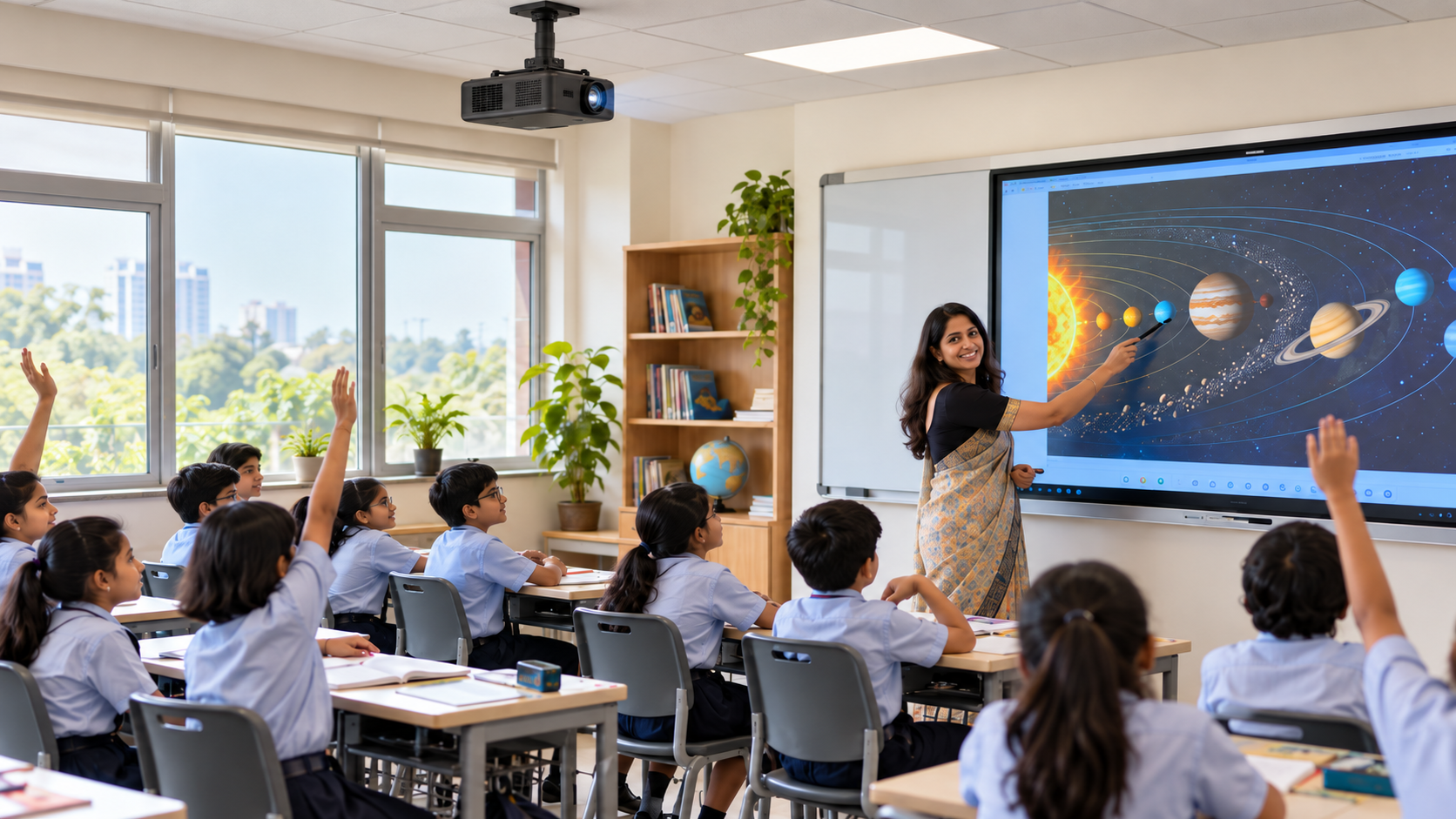
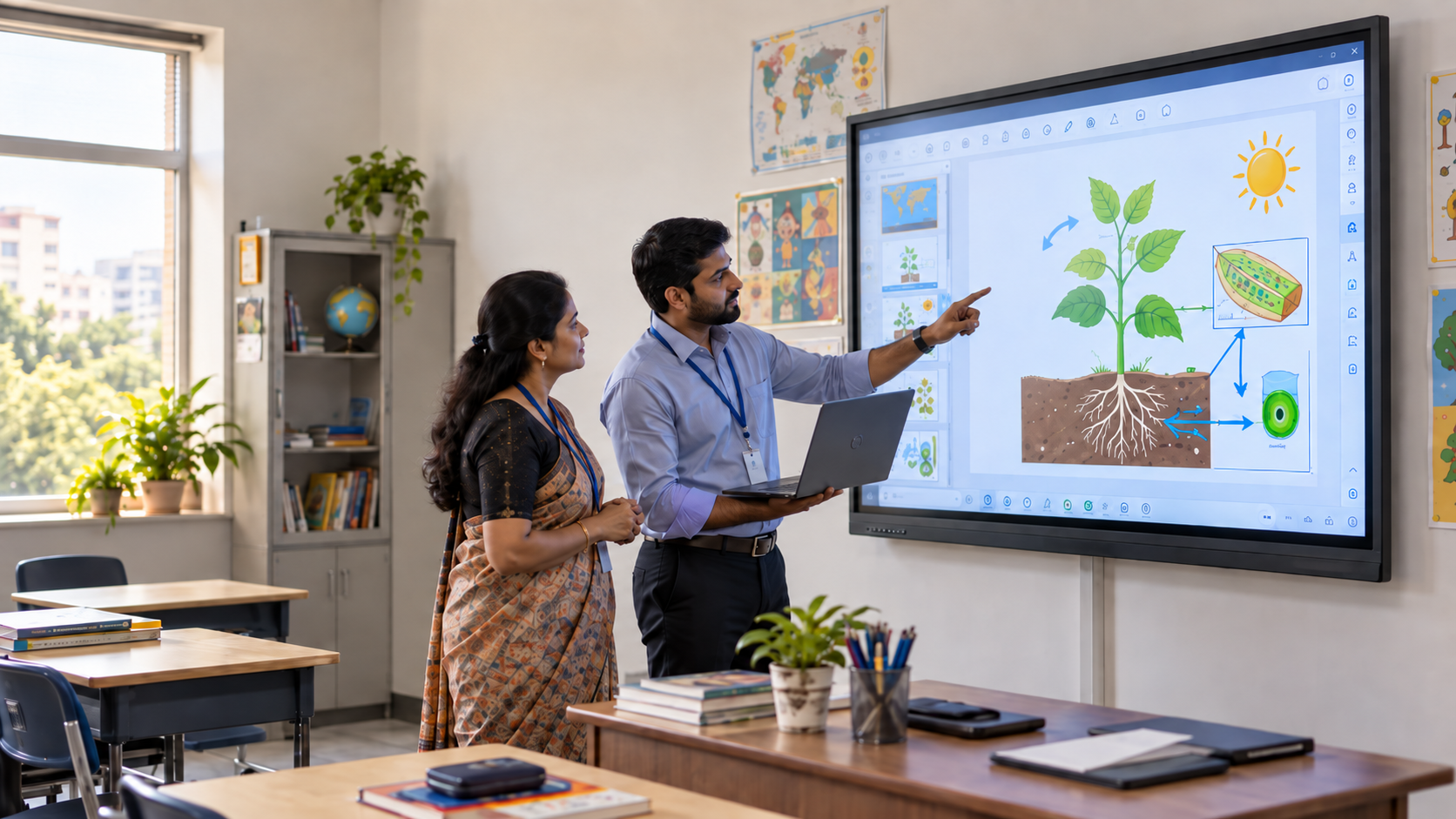
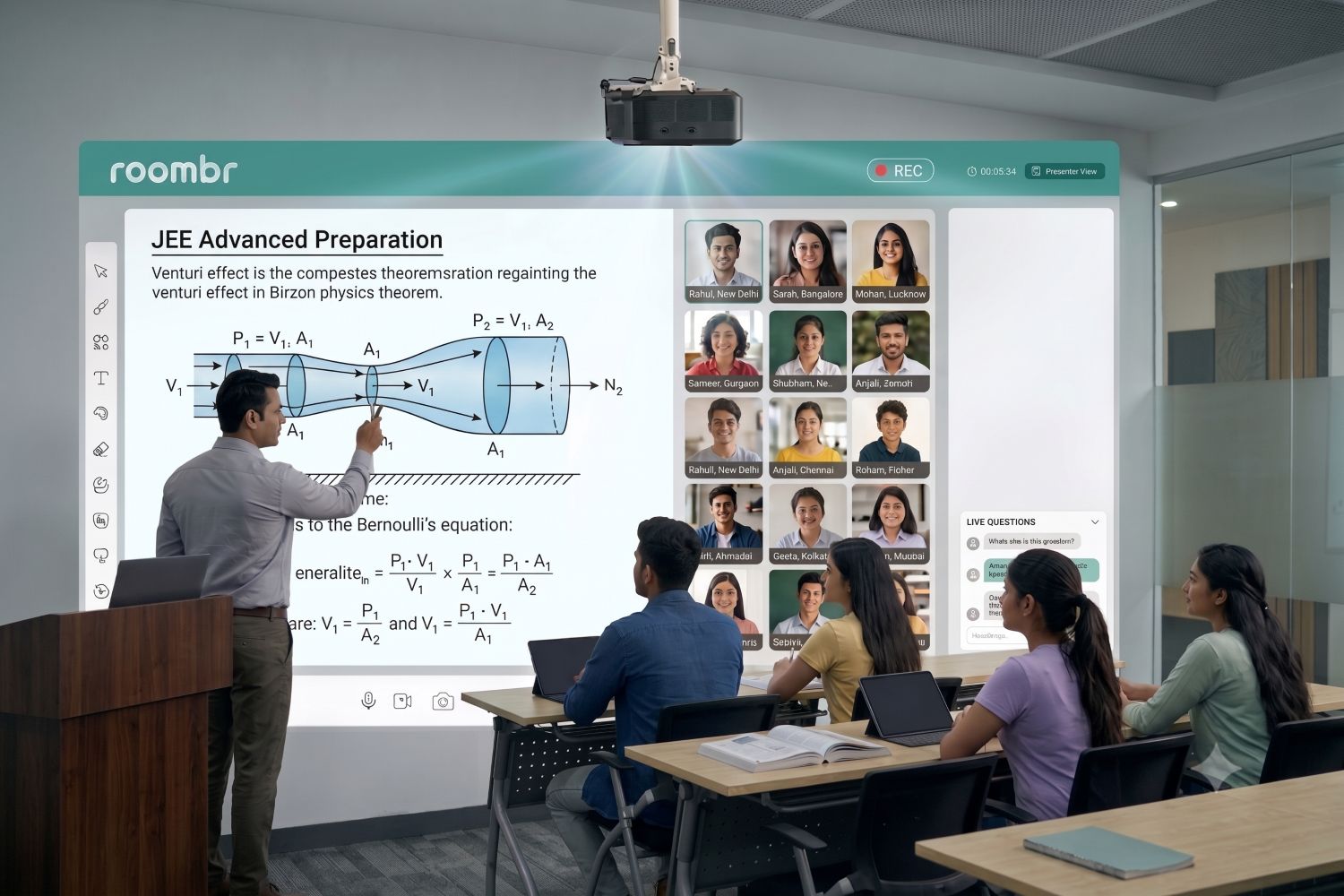
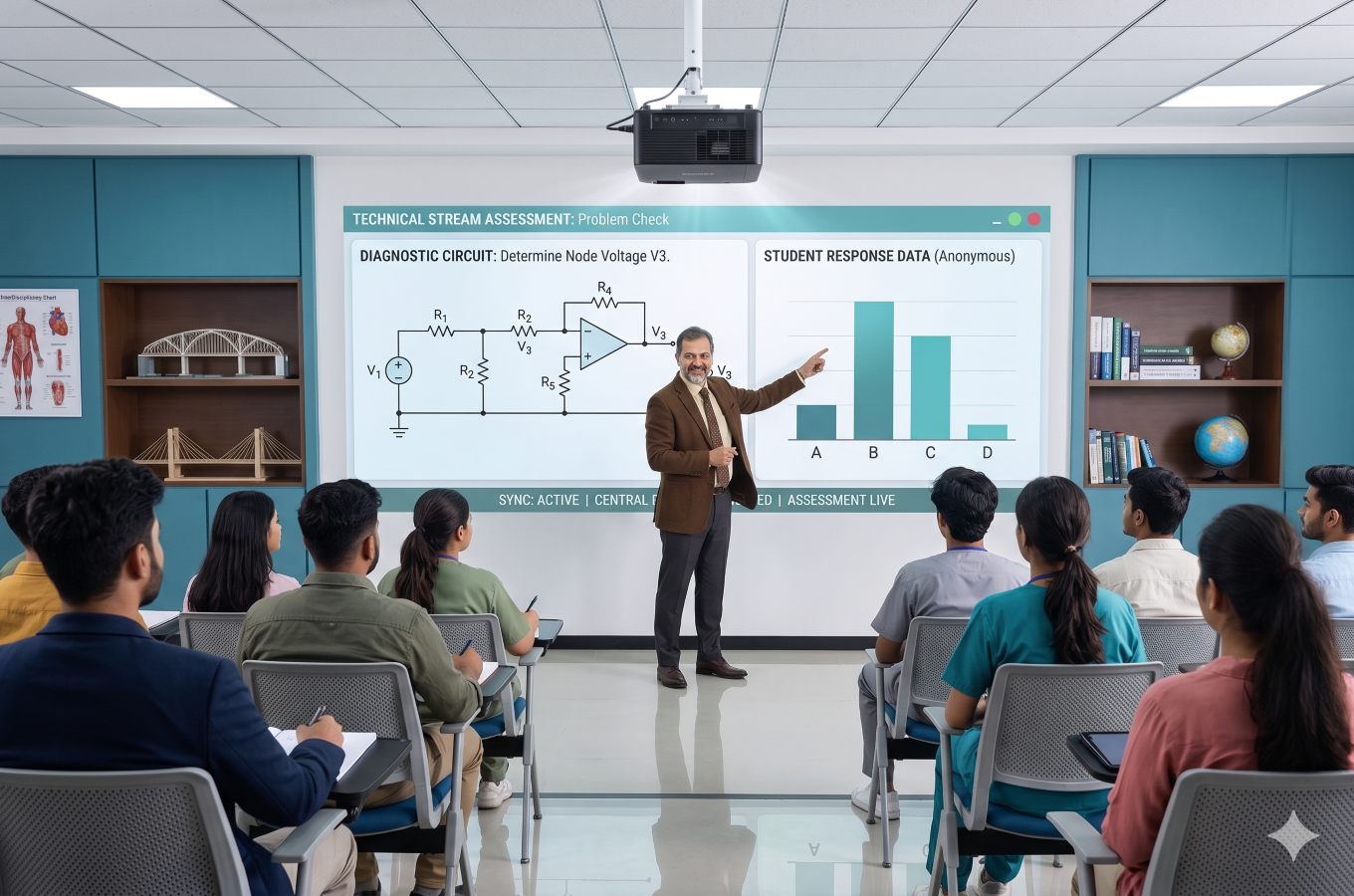
- Launch Instant Polls: Instructors can project short conceptual questions directly onto the large interactive screen at the front of the hall. This approach allows for a quick visual pulse check, keeping the room actively engaged and revealing exact learning gaps.
- Display Anonymous Data: Projecting a bar graph of responses on the screen encourages honest answers. Students participate without the fear of looking foolish in front of their peers.
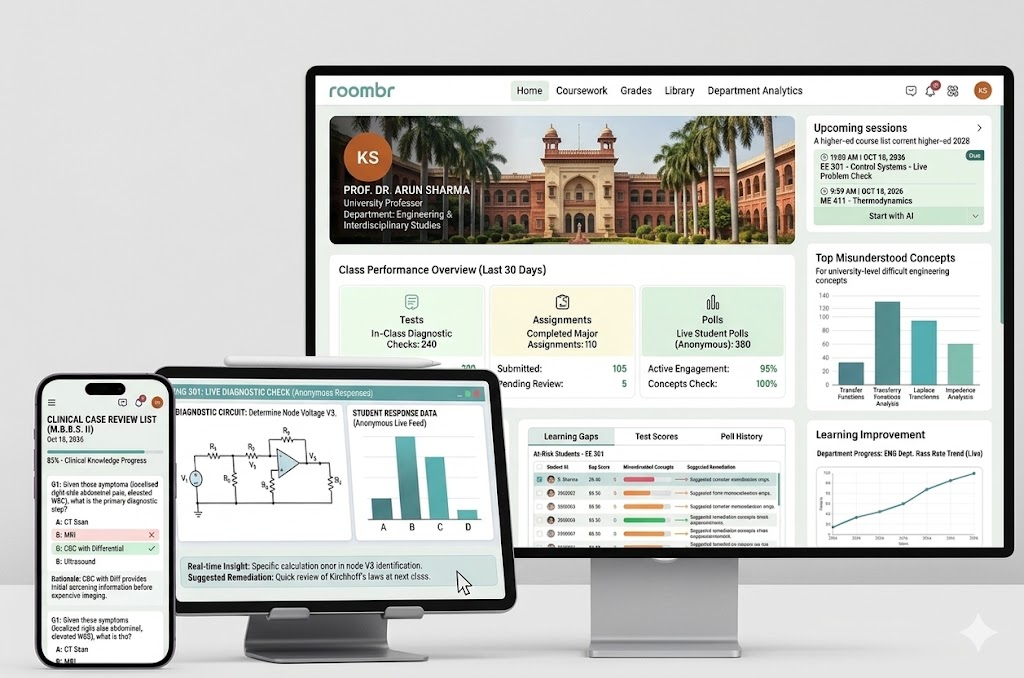
- Sync with Central Portals: The live numbers route straight to the college portal automatically. This automation cuts out manual data entry and builds a clean timeline of progress over the semester.
Modern Classroom Assessment Techniques for Fast Results
Old-school methods like paper exit tickets take hours to sort and grade by hand. Digital alternatives deliver those identical insights within seconds, making digital assessments easy to run on the fly. This rapid turnaround provides an easy, scalable framework for any modern in-class assessment.
A professor can open a session with a quick two-minute review quiz to verify retention from last week. They can also wrap up a tough formula with a single diagnostic question before the bell rings.
The table below shows how live setups redefine the daily lecture experience compared to legacy methods.
Provide Academic Deans with the Real Data Audits Demand
Institutional growth requires transparent metrics. Today, progressive higher education institutions face immense pressure to prove student success rates to external accreditation boards. Sifting through paper records makes audit season an absolute nightmare for department heads.
Shifting to automated models removes this administrative friction. Central platforms log continuous data points across thousands of daily student interactions. This clear trail provides inspectors with verifiable proof of learning outcomes without disruptive paperwork.
Early detection also saves department pass rates. When data identifies a struggling batch by week three, the college can deploy targeted support long before final exams arrive. Automated workflows turn regular checks into effortless digital assessments.
Tailor the Test Style to Fit Diverse Departments
A single, rigid testing framework will never work across a multi-disciplinary university. An engineering equation requires an entirely different approach than a corporate business case study.
The software platform must bend to the unique cognitive needs of each subject. The Real-time digital assessments need to blend seamlessly with the unique teaching style of each distinct department.
1. Technical Streams: Live Problem Checks
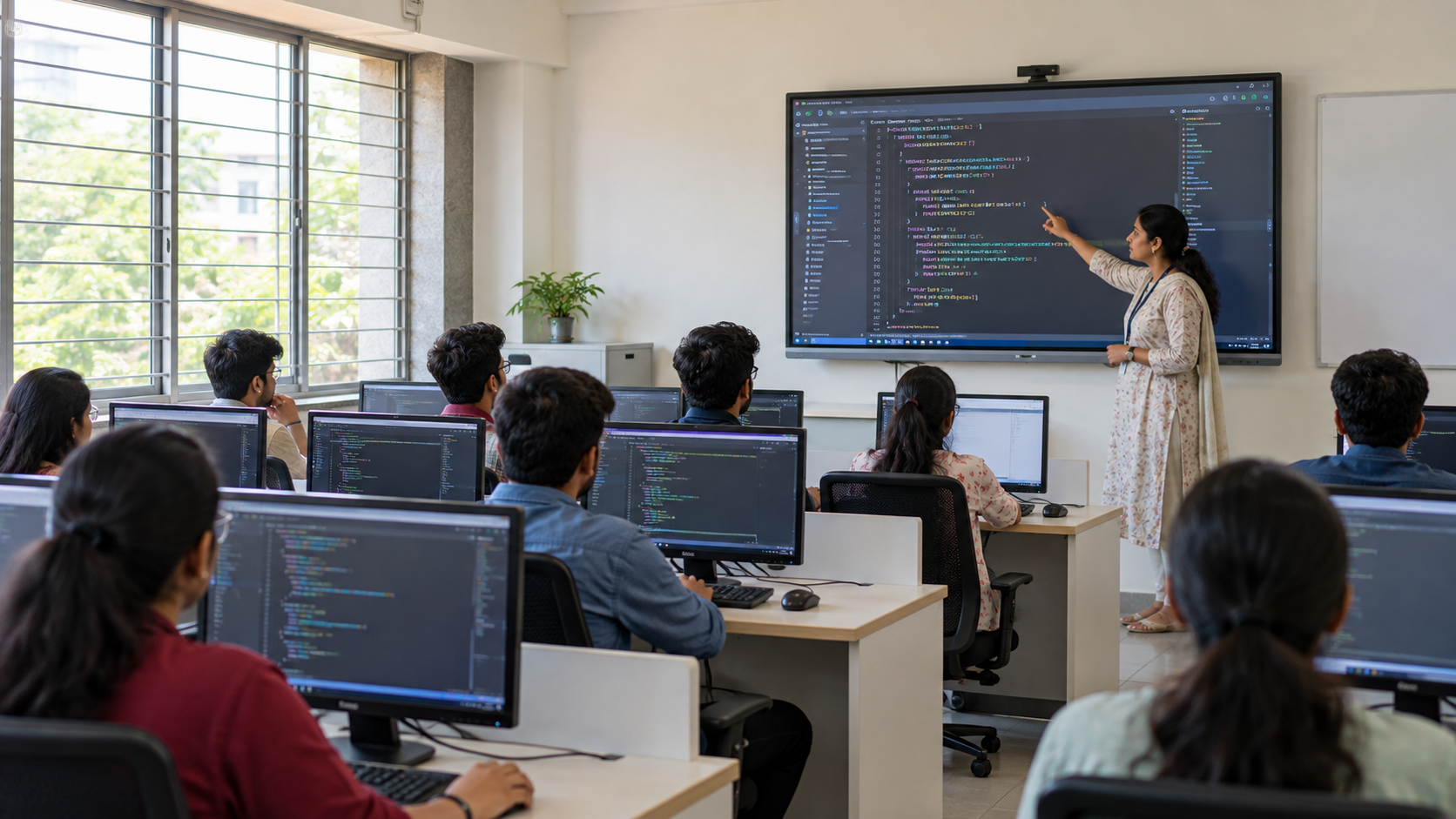
Engineering professors can push intricate diagnostic scenarios on the screen during class. Students map out their calculations for immediate validation and step-by-step review.
2. Medical Tracks: Interactive Case Reviews
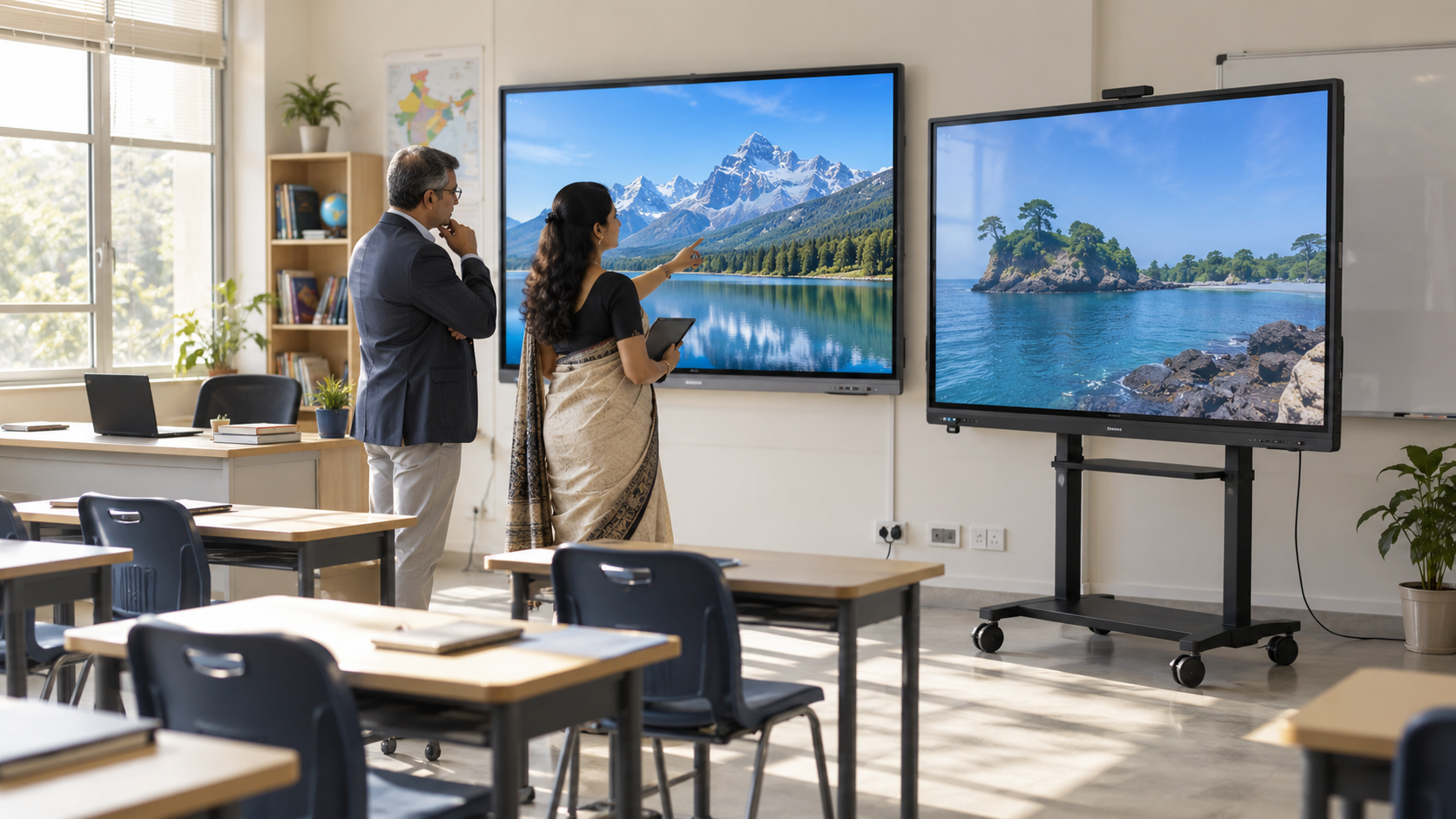
Medical faculty can project a complex patient symptom list directly onto the massive interactive classroom display. The class can analyze the case collectively, with students stepping up to the screen to map out the next diagnostic step. This collaborative approach evaluates clinical reasoning on the spot and simulates the group dynamics of a high-pressure hospital ward.
3. Management Schools: Instant Market Polls
Business instructors can launch sudden opinion polls regarding a live market event. The instant data serves as a direct launchpad for structured classroom debates based on collective student analysis.
Eliminate Friction and Win Over Your Faculty
College professors already handle heavy teaching loads and research commitments. If live digital assessments feel like an extra tech chore, adoption rates will plummet. The platform must act as an organic helper rather than a hurdle.
Simple, one-click interfaces allow tech-averse faculty members to feel confident within minutes. When professors see that automated grading reduces their weekend paperwork, they welcome the upgrade.
- Automated workflows wipe out hours of manual grading.
- Low-stakes check-ins reduce student exam anxiety.
- Immediate insights protect the overall department's passing averages.
- Active interaction increases daily classroom attendance numbers.
Step into the Future of University Education
Traditional lectures often turn students into passive listeners. True academic excellence requires active minds, rapid feedback loops, and data-driven administrative choices.
Deploying interactive digital assessments satisfies student expectations and strict institutional ranking frameworks at the same time. The Roombr Learn platform unifies physical teaching hardware with smart evaluation software seamlessly.
Equip your faculty with the holistic infrastructure needed to run a truly modern university campus.
Contact us for a demo to see how Roombr’s all-in-one software and hardware solution can bridge learning gaps and improve outcomes.

Foziya Abuwala
Share
Step Into the future of
Education with Roombr