
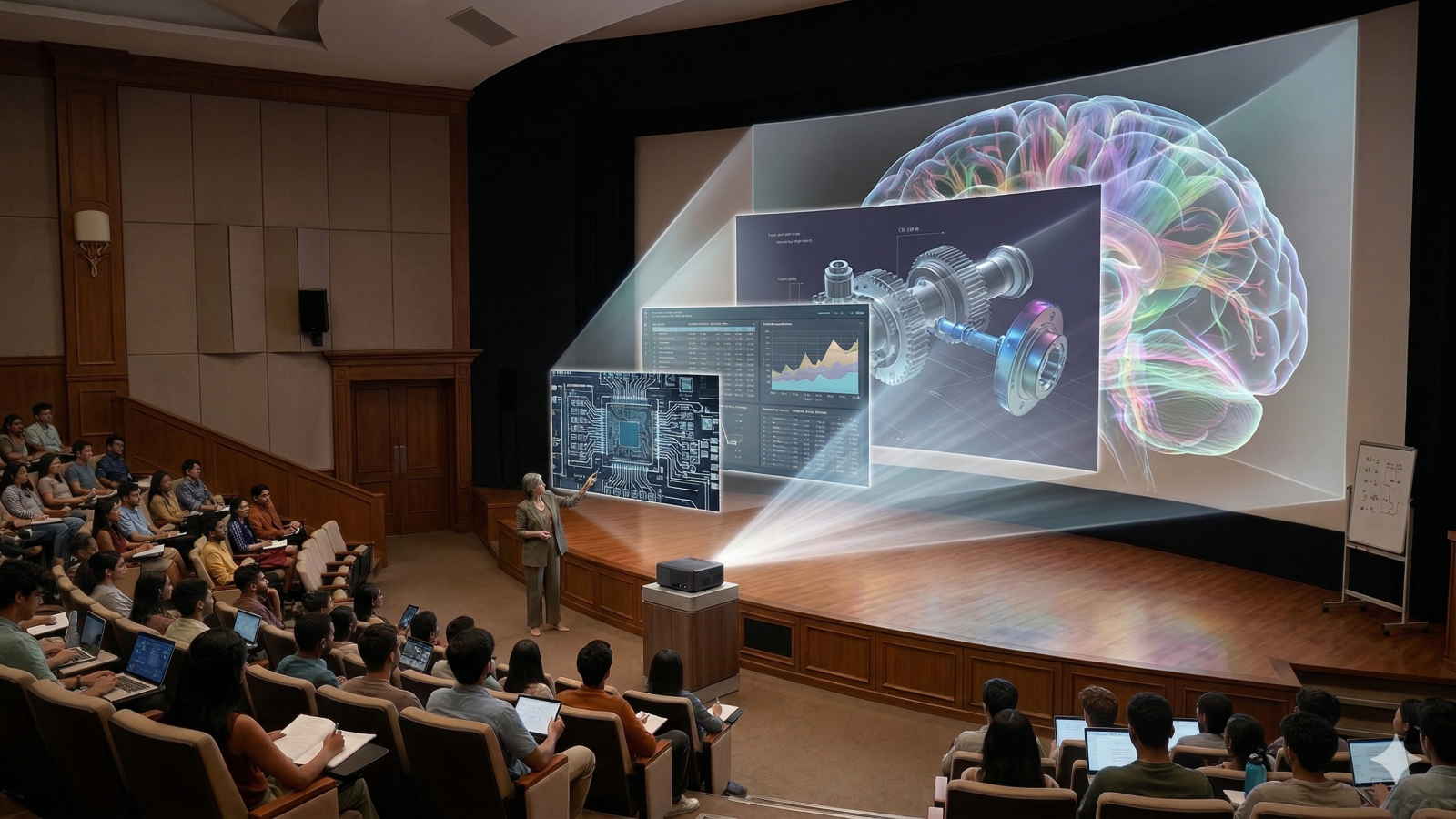
Universities and engineering colleges face immense pressure to modernize. Fortunately, two major government initiatives offer vital financial lifelines for these institutions. The Rashtriya Uchchatar Shiksha Abhiyan (RUSA) supports broader state university infrastructure upgrades, while the Technical Education Quality Improvement Programme (TEQIP) specifically targets the enhancement of technical and engineering institutes.
However, securing the funds is where the real work begins. Administrators must deploy these government funds strategically. Procurement committees must ensure every rupee directly improves the academic experience. Ultimately, reliable smart classroom equipment transforms how students learn and how faculty teach.
This guide explains how to allocate your grant budget effectively and avoid hidden maintenance traps. Read on to discover how to evaluate and select digital classroom equipment that delivers the highest long-term value for your campus.
The Reality of Institutional Funding for Smart Classroom Equipment
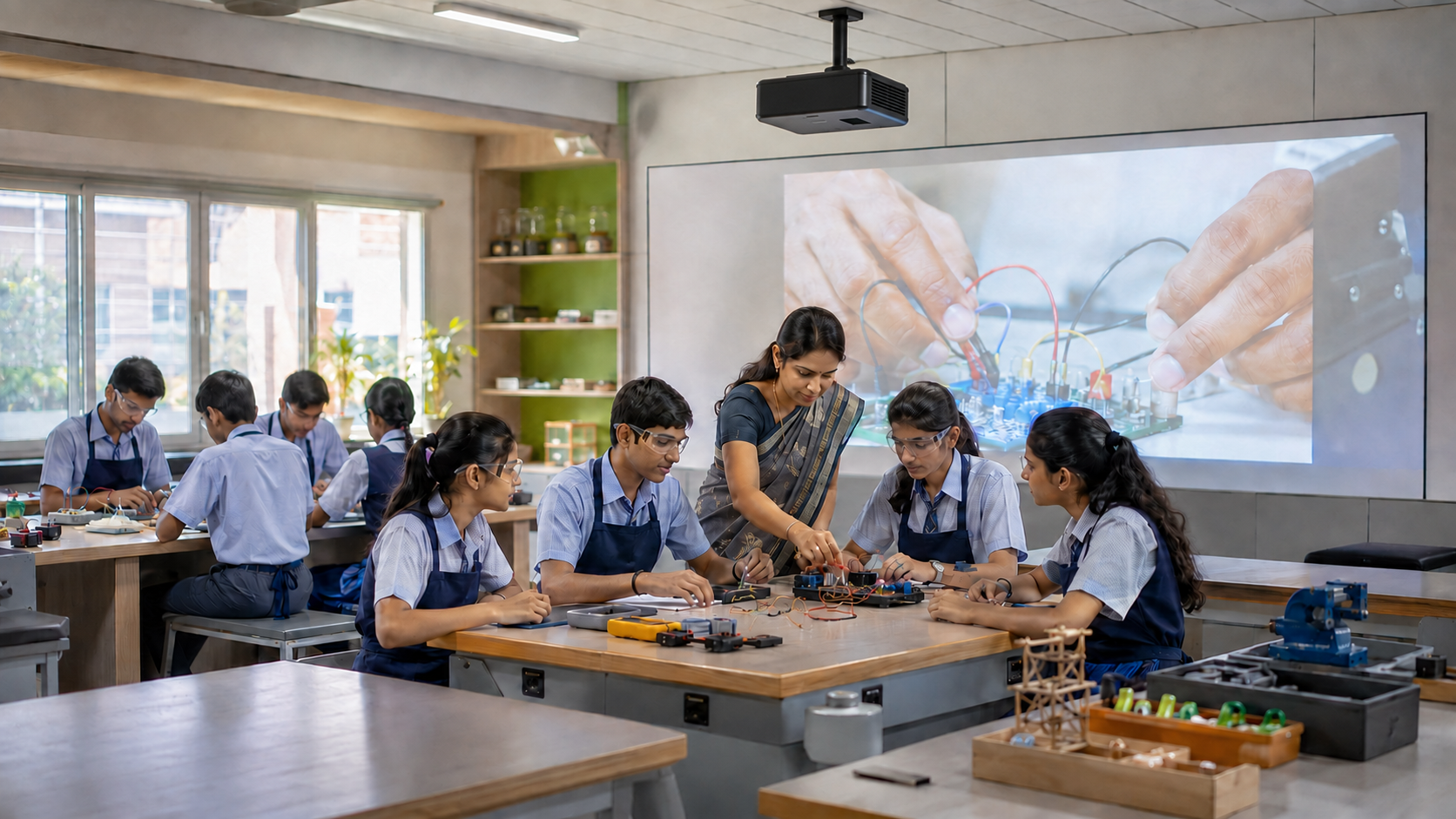
RUSA focuses heavily on equity and access across state universities. A huge chunk of this grant goes strictly toward infrastructure development. By investing in robust smart classroom equipment, you can prove your university is actively bridging the digital divide. High-quality visual and audio tools ensure that funding translates into tangible academic benefits.
Why TEQIP Demands Better Visualization Tools
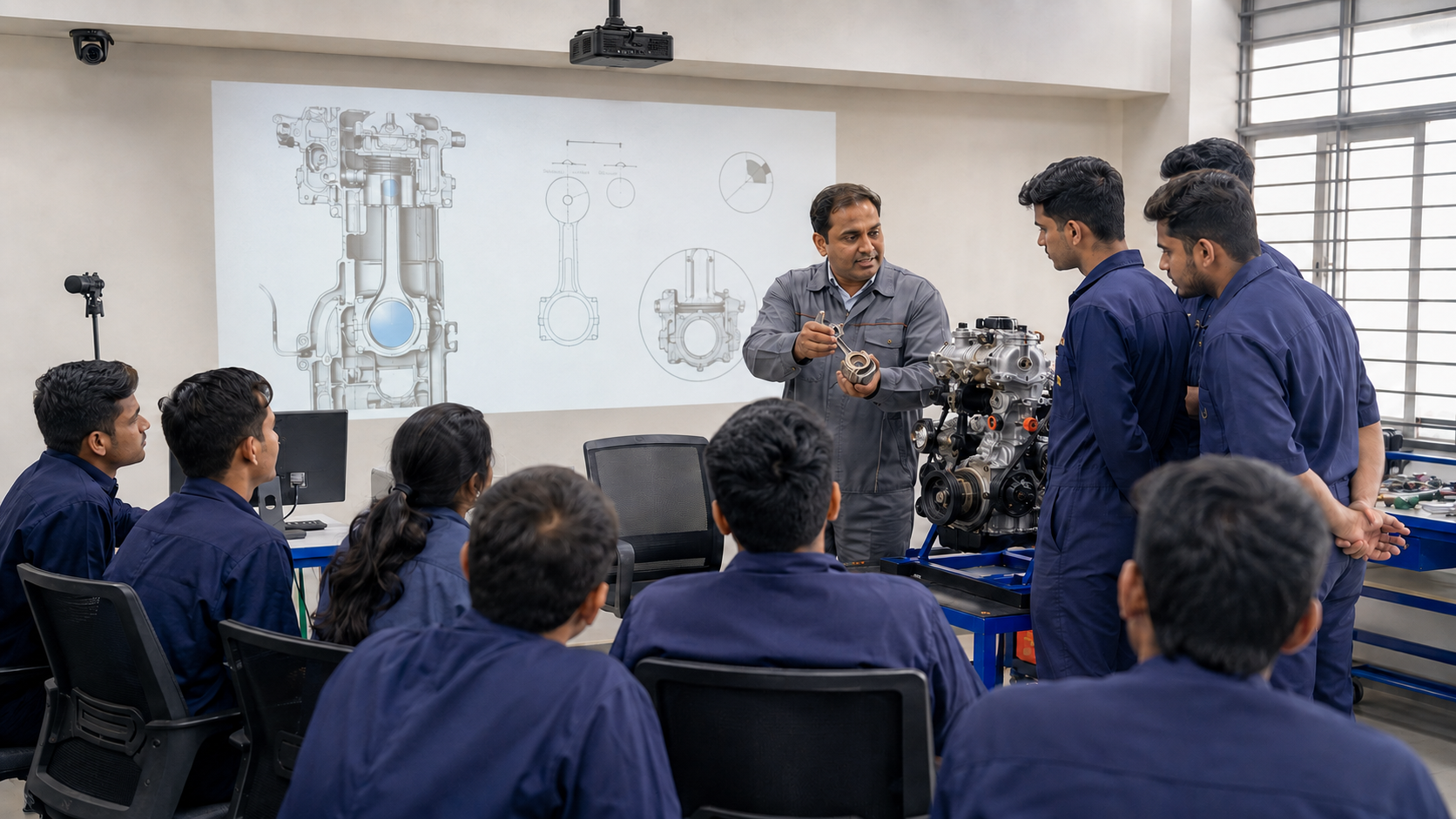
This World Bank-assisted project aims to elevate technical education across India. Engineering and medical colleges require advanced tools to teach complex subjects. Purchasing high-performance smart classroom equipment that supports 3D modeling prepares students for a digitized workforce. Basic projectors no longer meet the strict standards required by TEQIP auditors.
Are Hidden Maintenance Costs on Smart Classroom Equipment Draining Your Budget?
Procurement committees cannot afford to waste grant money on fragmented technology. A short-sighted purchase often leads to massive maintenance bills down the line.
The Problem With Buying Separate Devices
Institutions face financial danger when buying separate projectors, touch boards, and computers. Fragmented systems require complex wiring and multiple installation fees. Complete smart classroom solutions eliminate these hidden costs. An integrated walltop computer consolidates your tech stack and removes the need to juggle multiple vendor contracts.
The True Total Cost of Ownership
Administrators must calculate long-term costs before signing any purchase order. Project the cost of power consumption and spare parts replacement over seven years. Energy-efficient smart classroom equipment significantly lowers electricity expenses. It protects your operational budget long after the initial grant money is spent.
ISO and BIS Certifications Are Non-Negotiable
Government auditors require strict compliance with quality benchmarks. Purchasing certified Make in India edtech devices guarantees you meet all legal requirements. This compliance removes the risk of funding delays and proves your digital classroom setup is built to last.
How Roombr Fits Into Higher Education Procurement
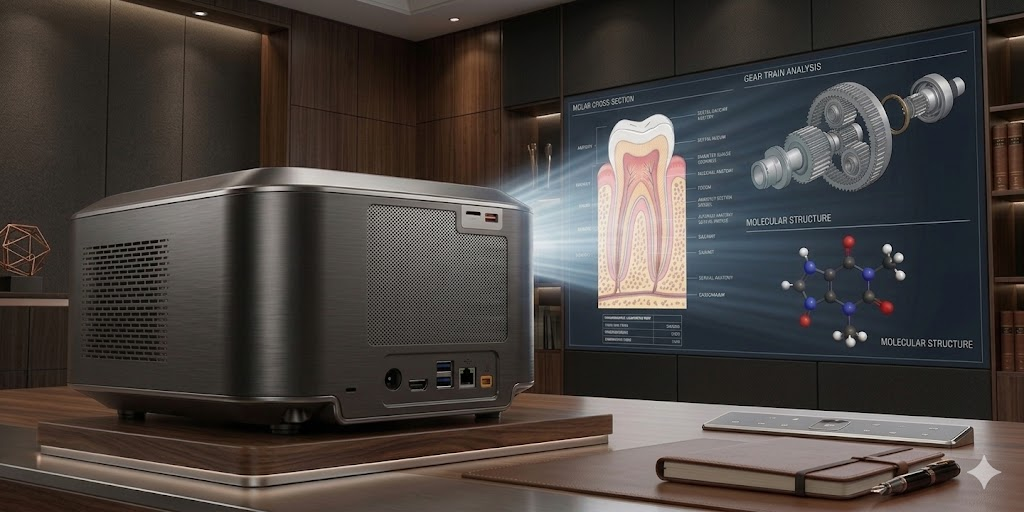
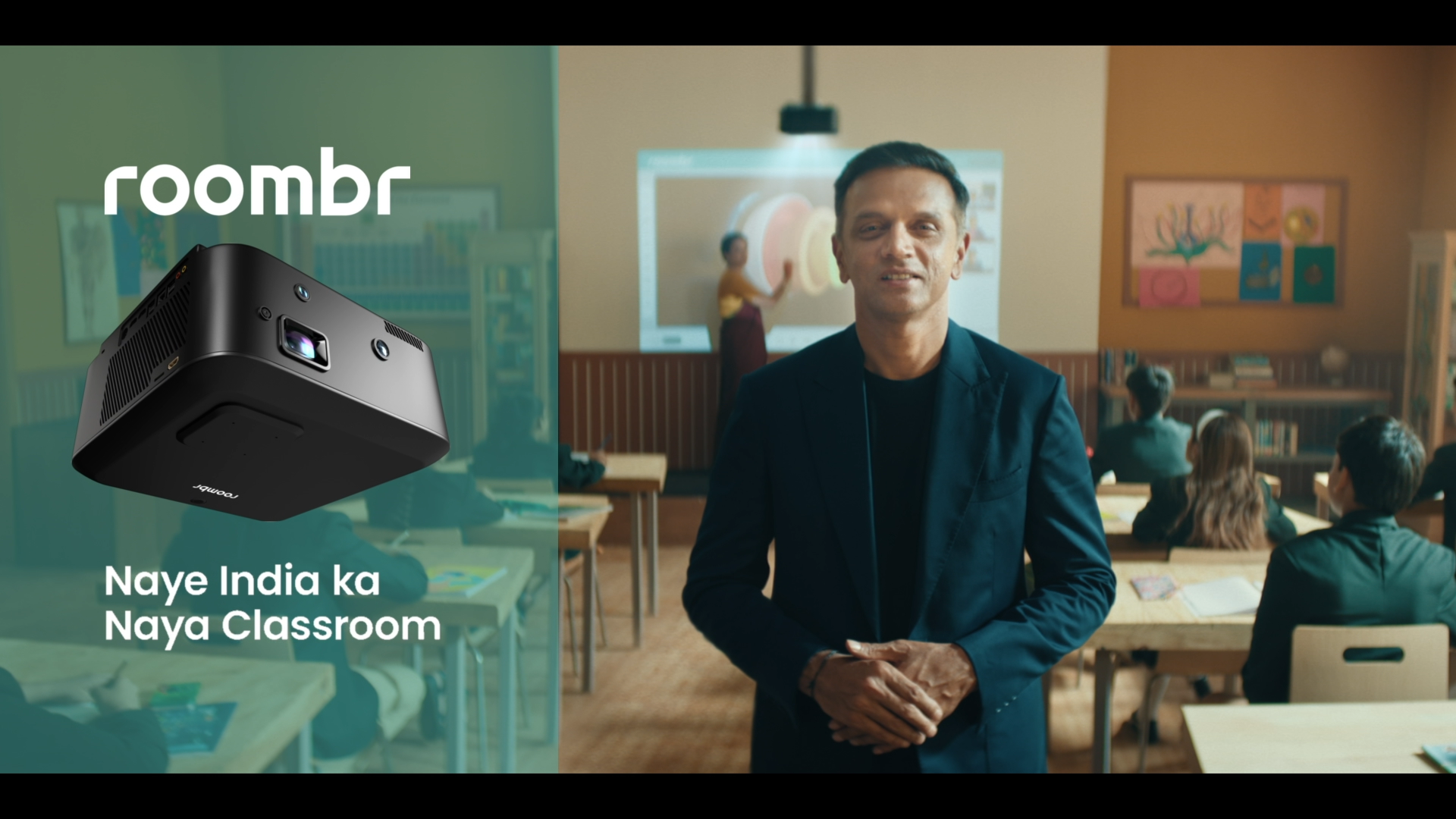
Roombr serves as the ideal choice for institutions utilizing RUSA or TEQIP funds. It aligns with the stringent compliance requirements of higher education buyers.
One Device, One Vendor, Zero Headaches
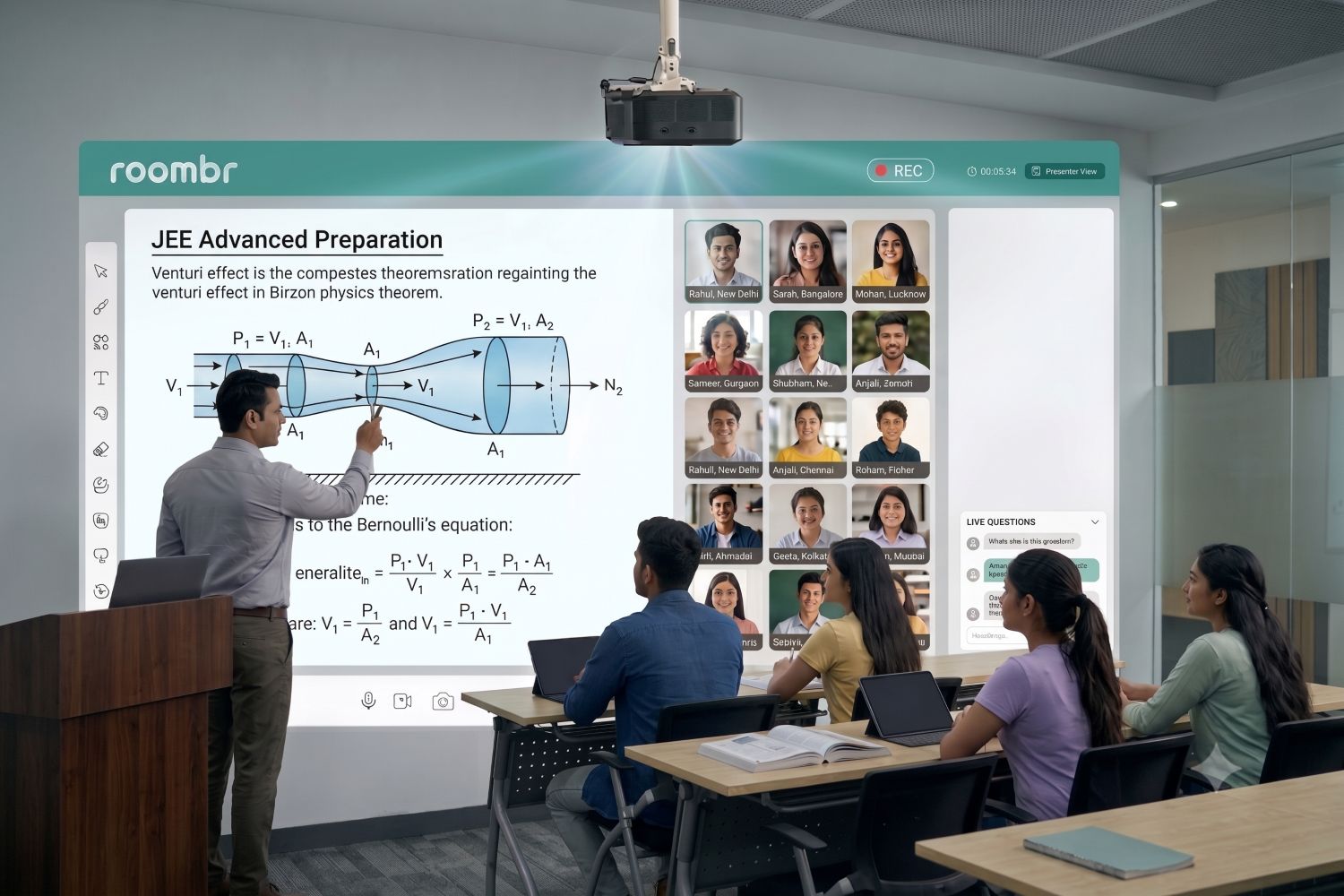
Dealing with five different vendors for a broken system creates an administrative nightmare. Roombr solves this by combining the display, AI computing unit, and audio into a single robust device. It is a completely unified piece of smart classroom equipment. The IT department only deals with one supplier and relies on one comprehensive warranty.
From Small Labs to 200-Inch Auditoriums
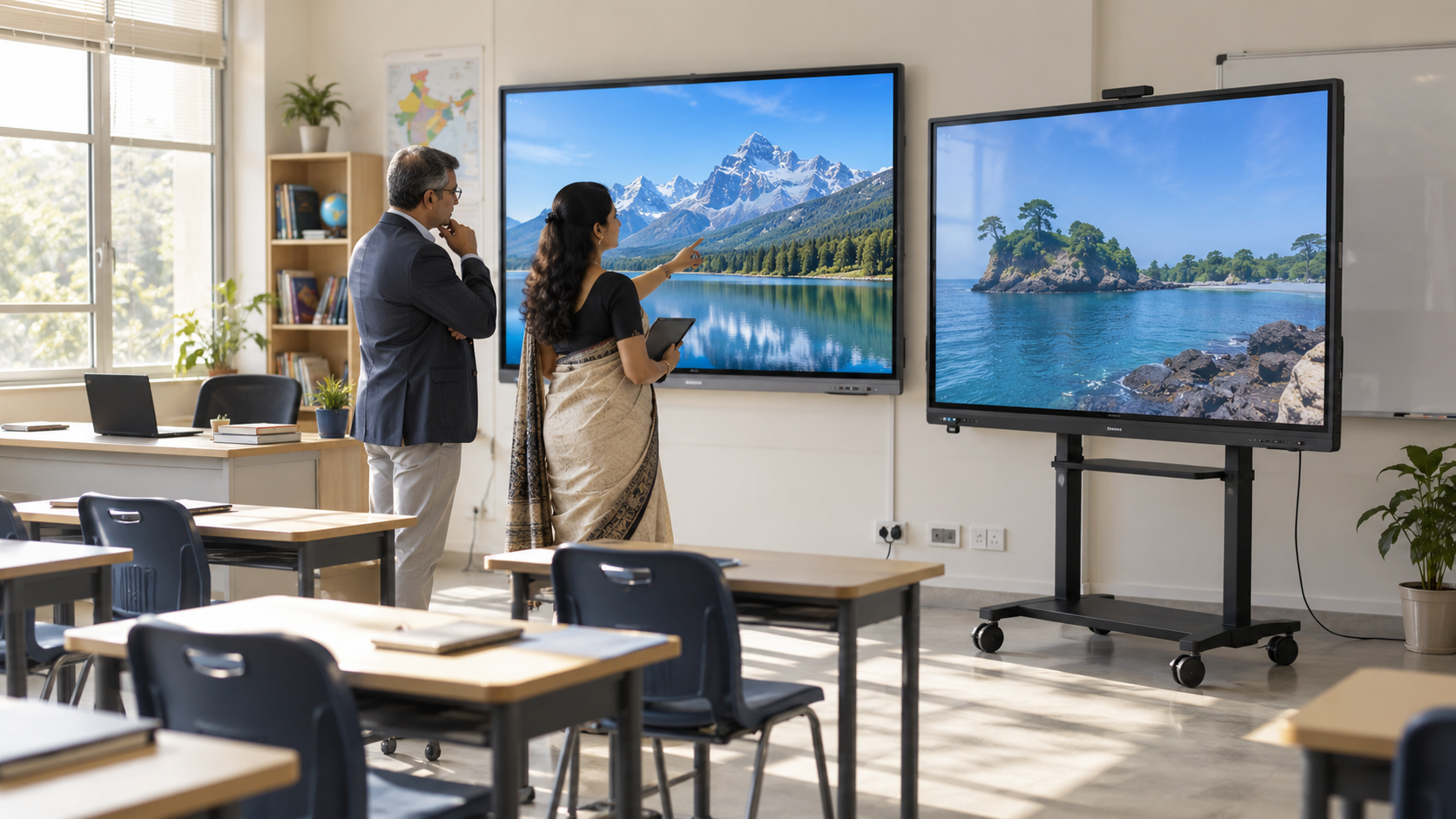
University campuses have vastly different spatial needs. A traditional interactive flat panel maxes out around 86 inches. That size is completely inadequate for a university lecture hall. Roombr provides scalable high-definition projection up to 200 inches. This allows you to standardize your smart classroom equipment across the entire campus easily.
3D Experiences for Medical and Engineering Students
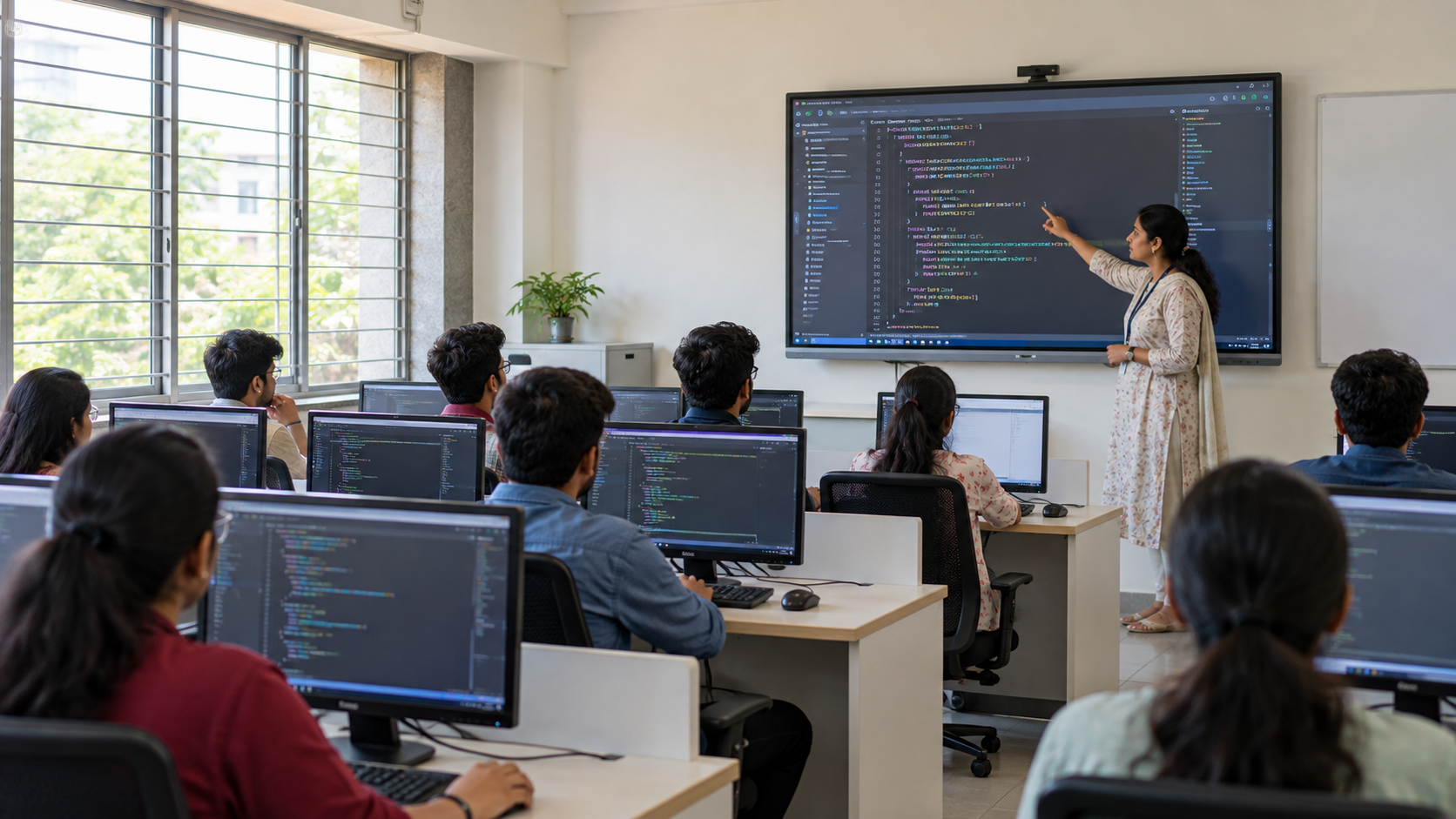
Medical and engineering students need highly detailed visuals to grasp complex concepts. Roombr includes built-in 3D capabilities to bring technical models to life. It delivers an immersive learning experience that a standard interactive flat panel simply cannot match. This directly fulfills the TEQIP mandate for advanced technical education.
Your 4-Step Plan for Smart Classroom Equipment Grant Execution
Procurement teams must follow a structured approach to move from securing the grant to installing the hardware.
Step 1: Map Your Hardware Needs
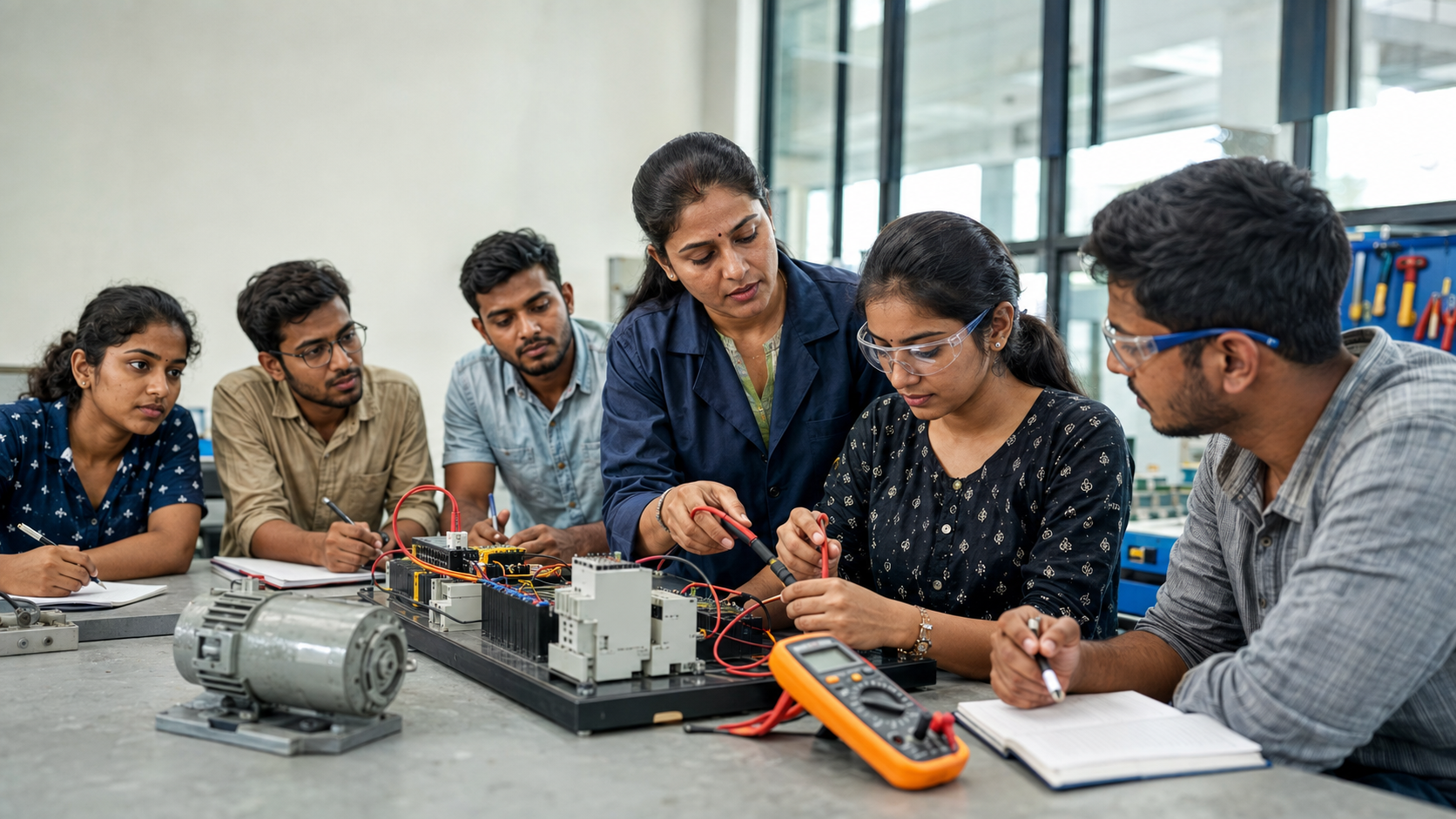
Conduct a thorough physical audit of your current infrastructure. Identify which lecture halls require hybrid broadcasting capabilities and which medical labs need 3D visualization. This vital step prevents over-purchasing and ensures you invest your smart classroom solutions budget where it matters most.
Step 2: Lock Down the Bill of Quantities
A precise Bill of Quantities prevents substandard vendor bids. Specify strict requirements for integrated AI computing and built-in professional audio. A tight technical specification ensures only high-quality providers of smart classroom equipment can participate in the government bidding process.
Step 3: Utilize the GeM Portal for Transparency
Using the Government e-Marketplace simplifies the procurement process. Finding a comprehensive single-SKU product drastically reduces administrative paperwork. It guarantees the university gets the requested smart classroom equipment without hidden vendor substitutions.
Step 4: Don't Forget Faculty Training
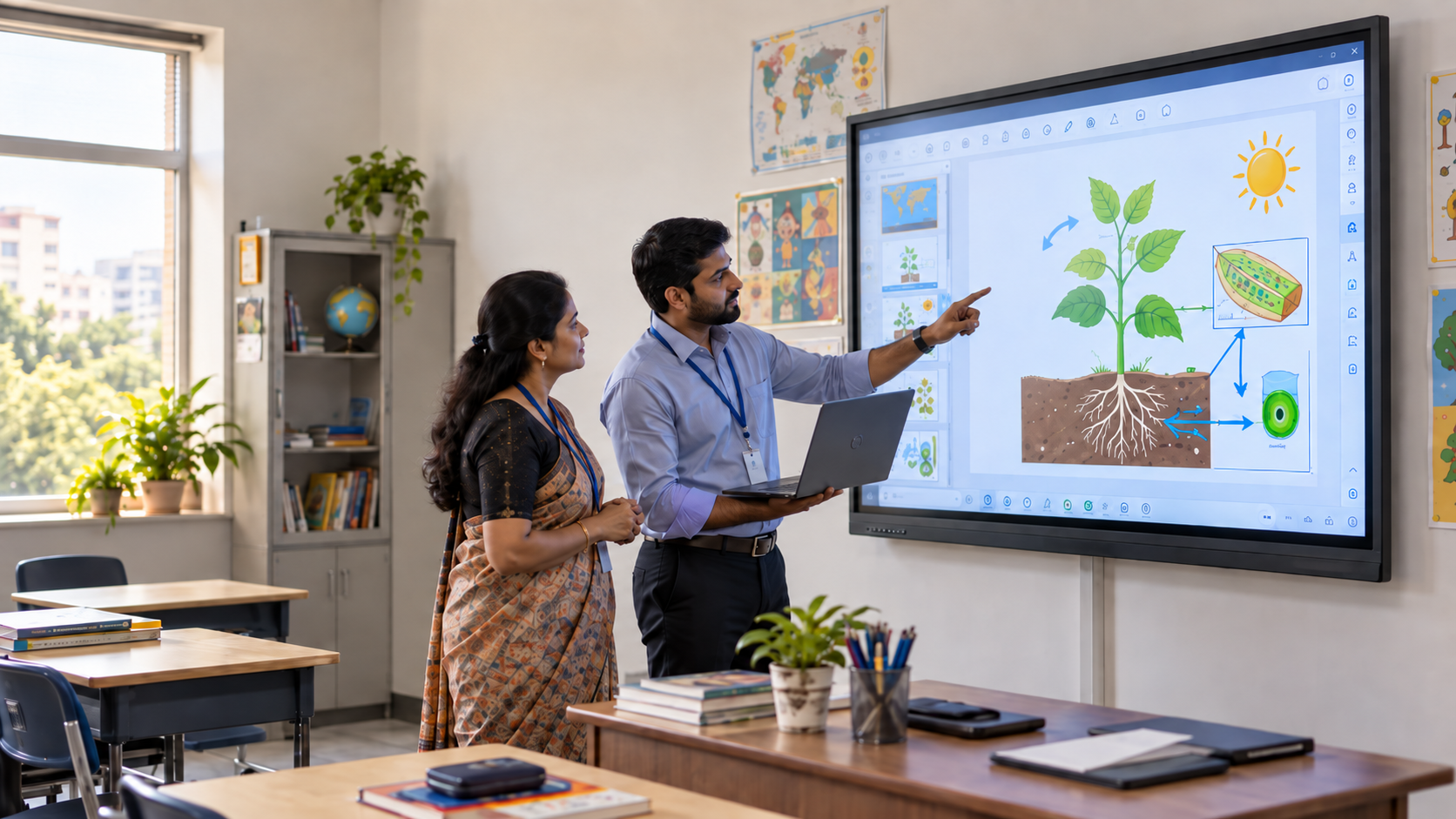
New hardware provides zero value if the faculty refuses to use it. Include detailed on-site training sessions in your vendor contracts. Proper training ensures professors are comfortable with the technology and guarantees a high return on your investment.
Maximize Your RUSA & TEQIP Grants With Roombr
Securing government funding is only half the battle; spending it wisely defines your institution's future. Do not drain your hard-won RUSA or TEQIP grants on fragmented hardware that requires endless maintenance, hidden installation fees, and multiple vendor contracts.
It is time to step into the future of higher education with Roombr, the world's first patented walltop computer. Designed specifically for Indian institutions, it replaces complex technology with one sleek, plug-and-play device. Whether you are outfitting a focused medical lab or a massive 200-inch engineering auditorium, our ISO and BIS-certified hardware delivers distortion-free 3D experiences, seamless hybrid connectivity, and a significantly lower total cost of ownership.
Stop managing devices and start transforming education. Protect your operational budget and empower your faculty with a completely unified, Make in India solution.
Contact our procurement specialists today to request a transparent, GeM-compliant quote or schedule a live campus demonstration.

Foziya Abuwala
Share
Step Into the future of
Education with Roombr