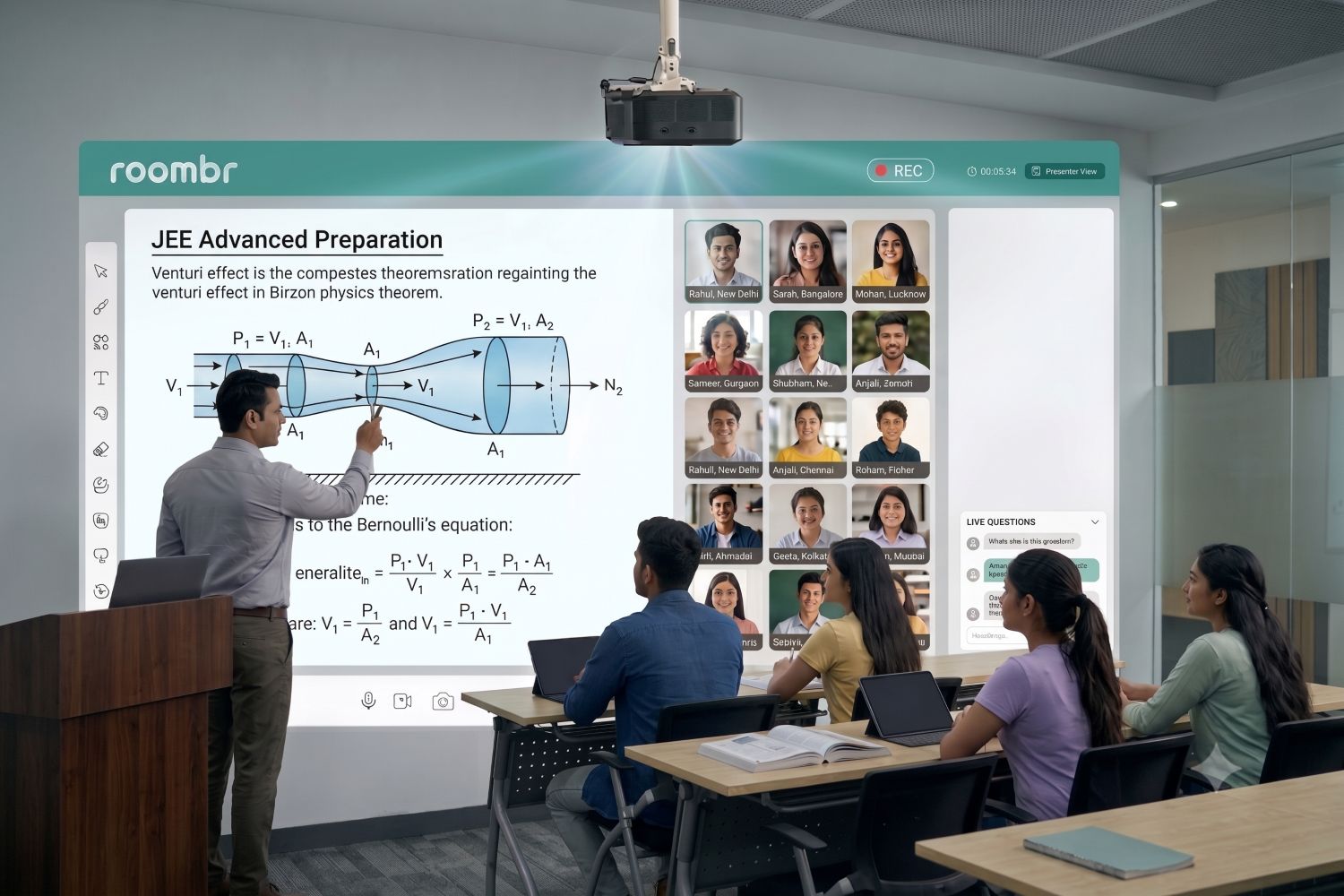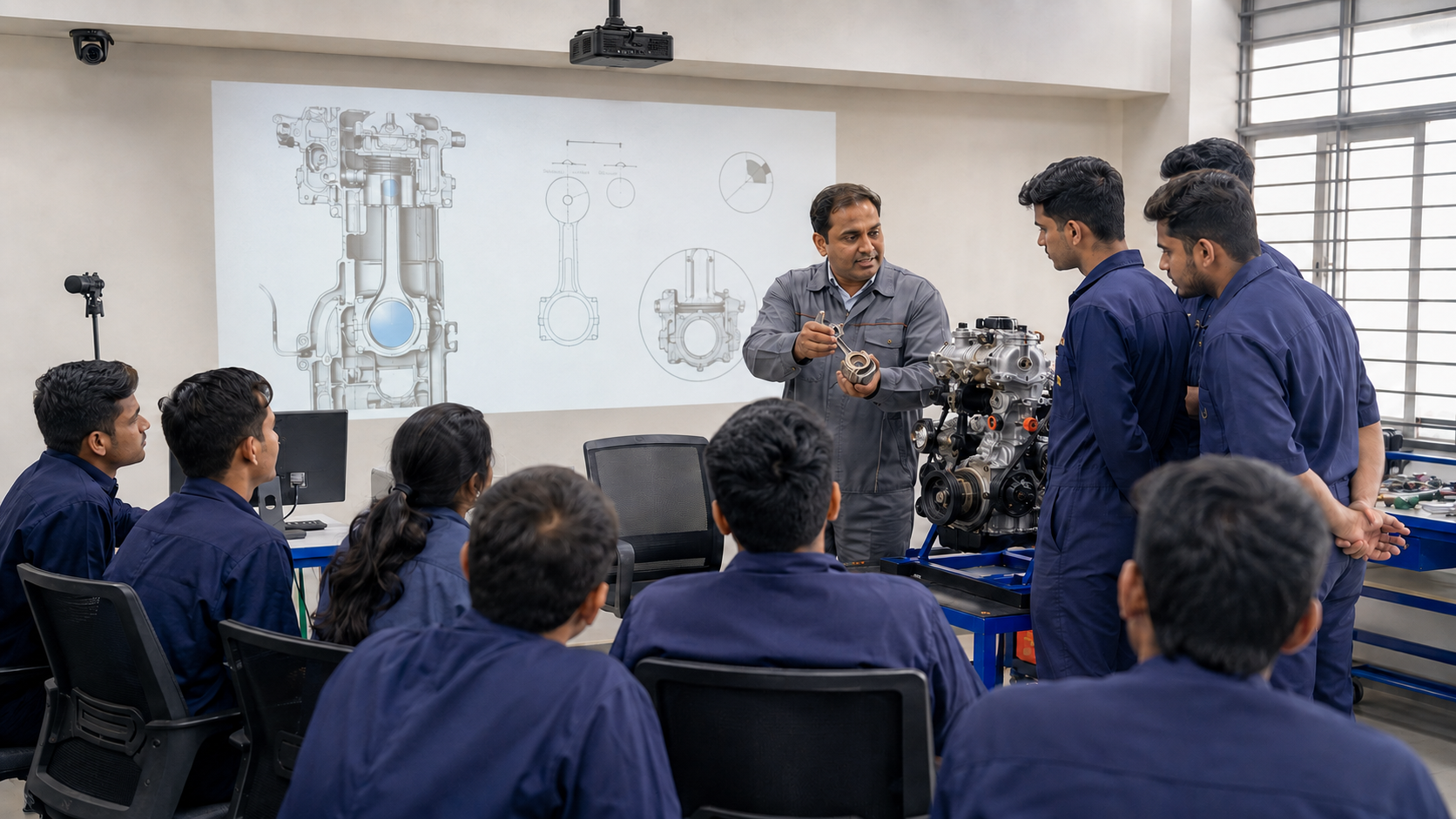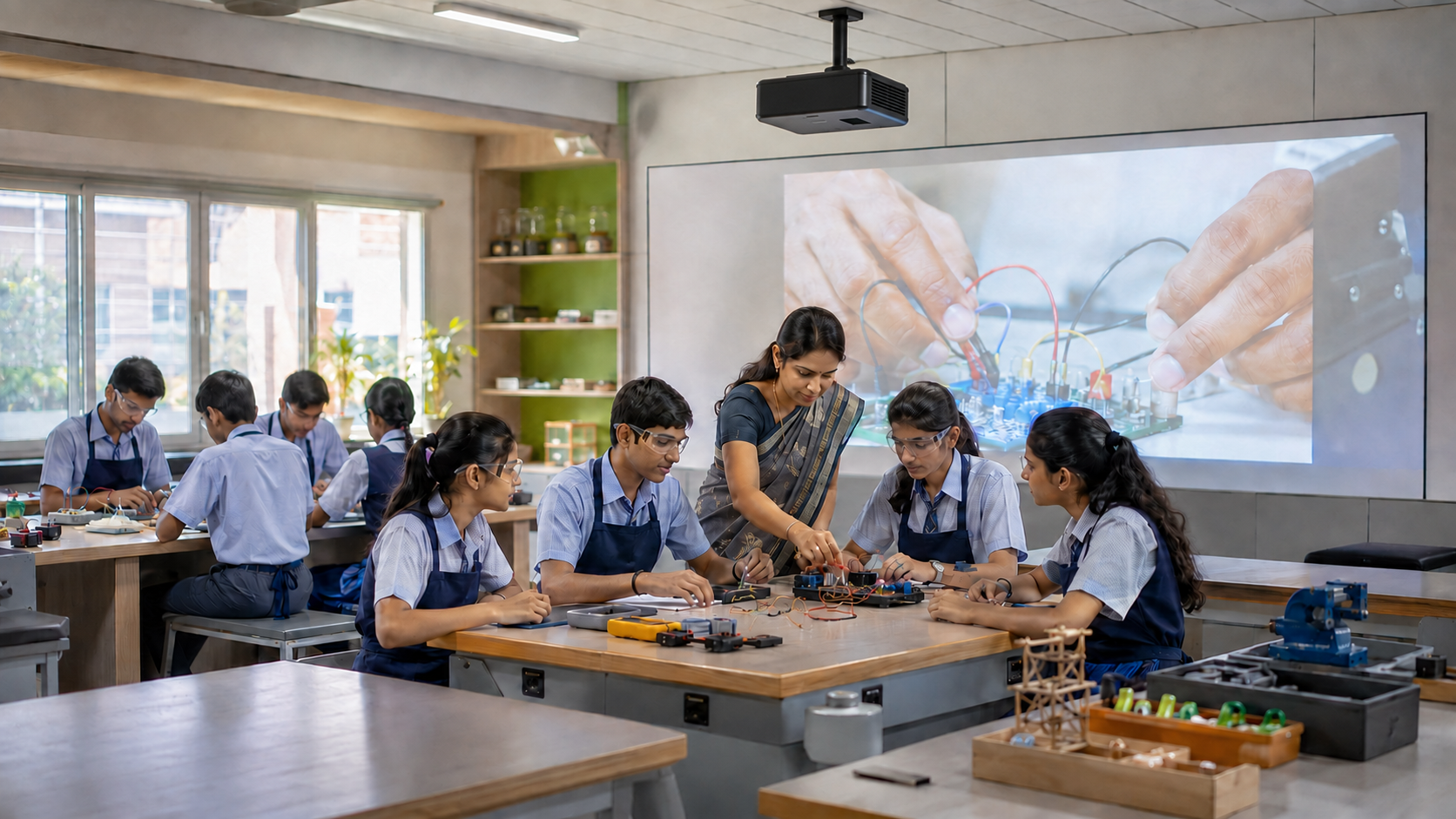

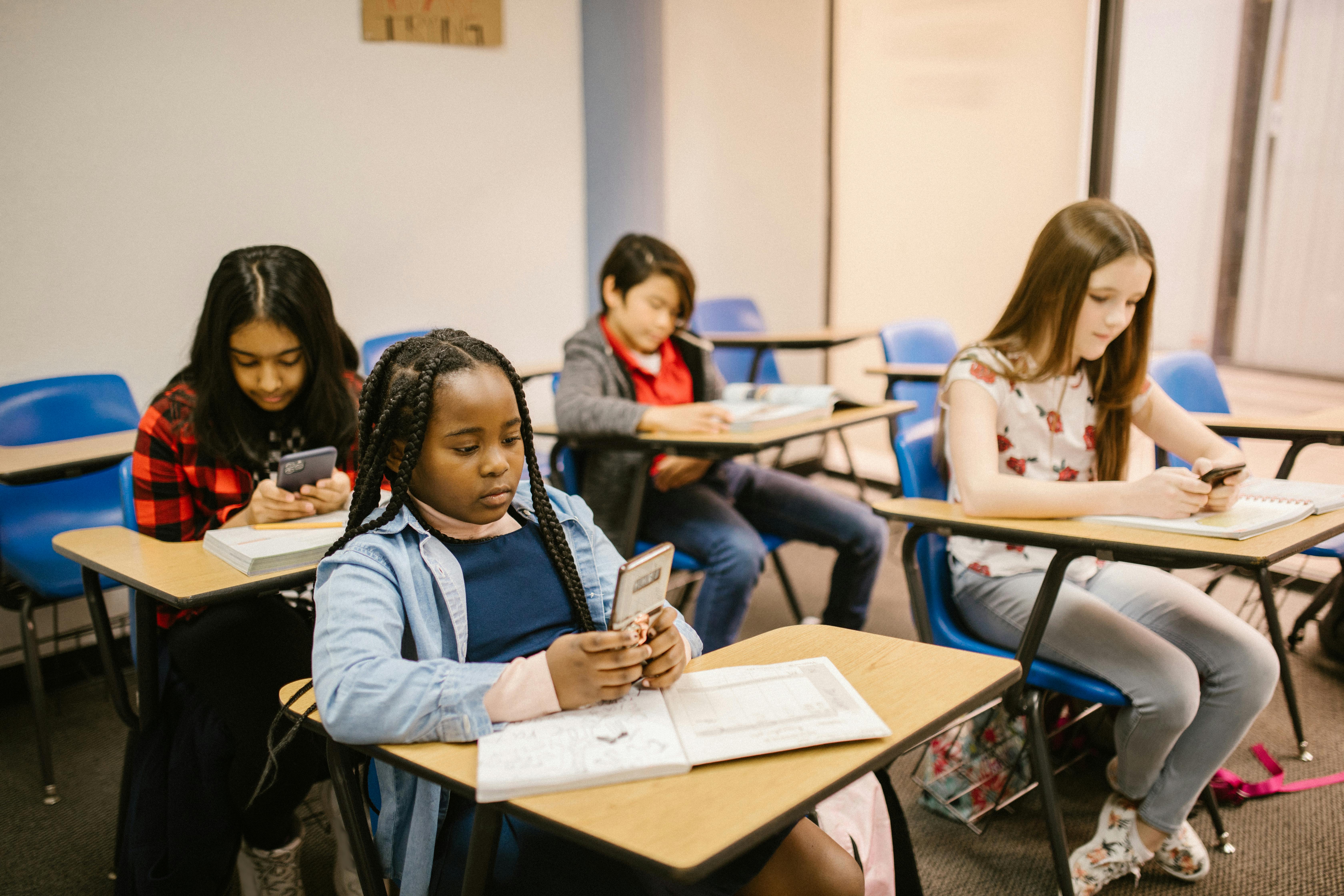
Imagine a classroom where every student gets personalized support, teachers spend less time grading, and feedback flows instantly, without sacrificing the human connection. This isn’t a glimpse into the distant future. It’s happening now, powered by Artificial Intelligence (AI).
AI in education is redefining how teachers and students connect, communicate, and collaborate. In this guide, we discuss how AI tools are revolutionizing the digital classroom by enhancing teacher-student interaction, not replacing it. It aims to provide valuable insights to educators, school leaders, or policymakers in India looking for smarter teaching methods.
Why AI in Education is a Game Changer
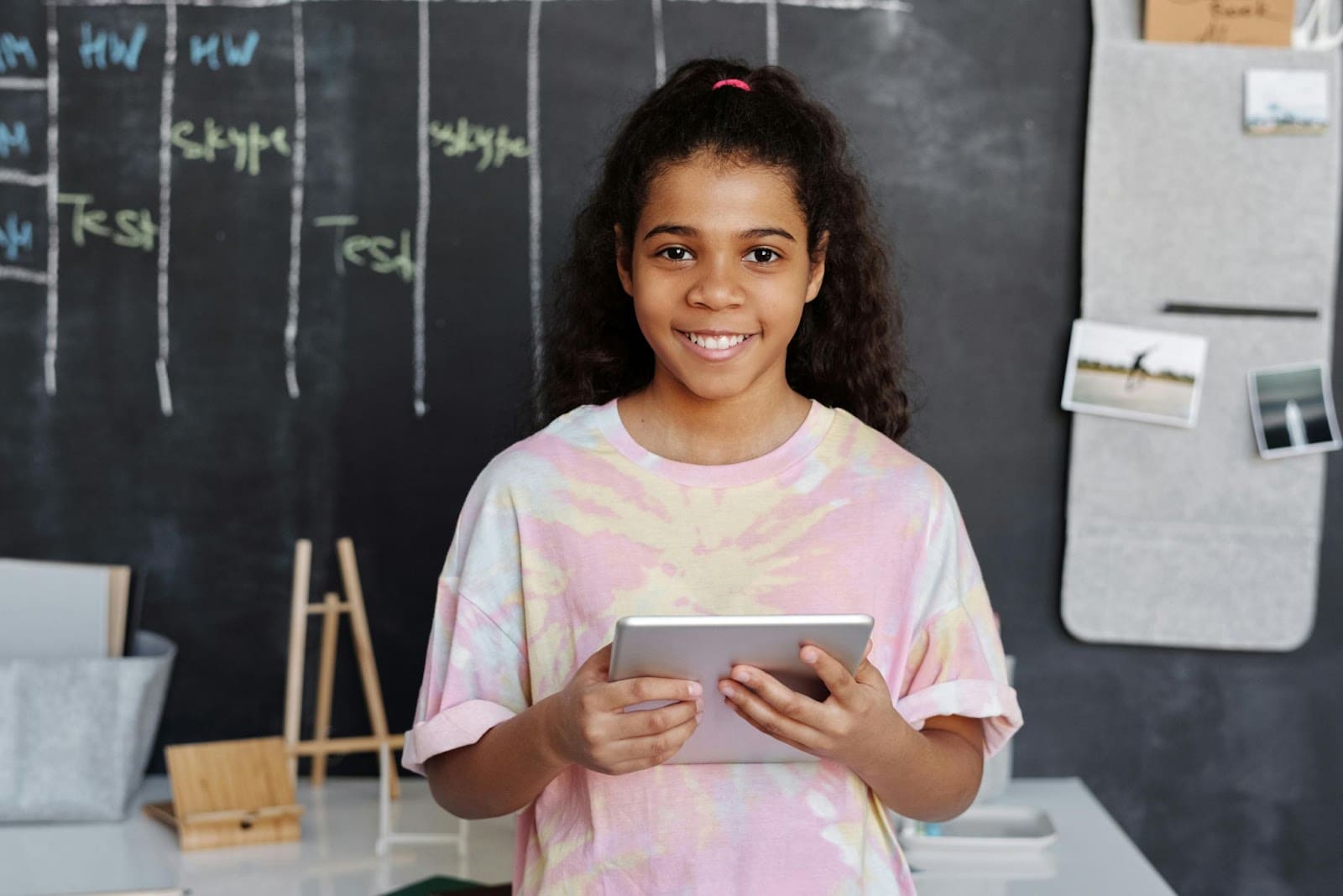
Artificial Intelligence has reshaped countless industries, and education is no exception. In the classroom, AI adapts to learners’ needs, assists teachers with data insights, administrative tasks, and personalizes the educational experience. But its most profound impact? Improving how teachers and students interact every day.
Who Benefits from AI in the Digital Classroom?
1. Teachers
Teachers are the lifeblood of any educational system, and AI is here to empower them and not replace them. The fear that AI will take over classrooms is a myth. Instead, AI serves as an assistant that allows teachers to focus on what they do best: inspiring and educating students.
2. School Administrators and Principals
Many educational leaders face the challenge of adopting the latest technologies while ensuring students receive the best learning experience possible. AI in education provides insights that can improve decision-making and offer scalable solutions that can be implemented across schools and districts.
3. Parents and Students
Parents want the best for their children, and students need learning methods that resonate with them. AI creates a more personalized learning experience, giving students the tools they need to succeed based on their unique abilities and learning styles.
4. Educational Policymakers
For those responsible for shaping the future of education, AI offers data-backed insights that can drive better policy decisions. Whether it's identifying areas for improvement or allocating resources more effectively, AI is becoming an indispensable tool for future-forward educational strategies.
The Role of AI in Enhancing Teacher-Student Interaction
1. Personalized Learning: One Size No Longer Fits All
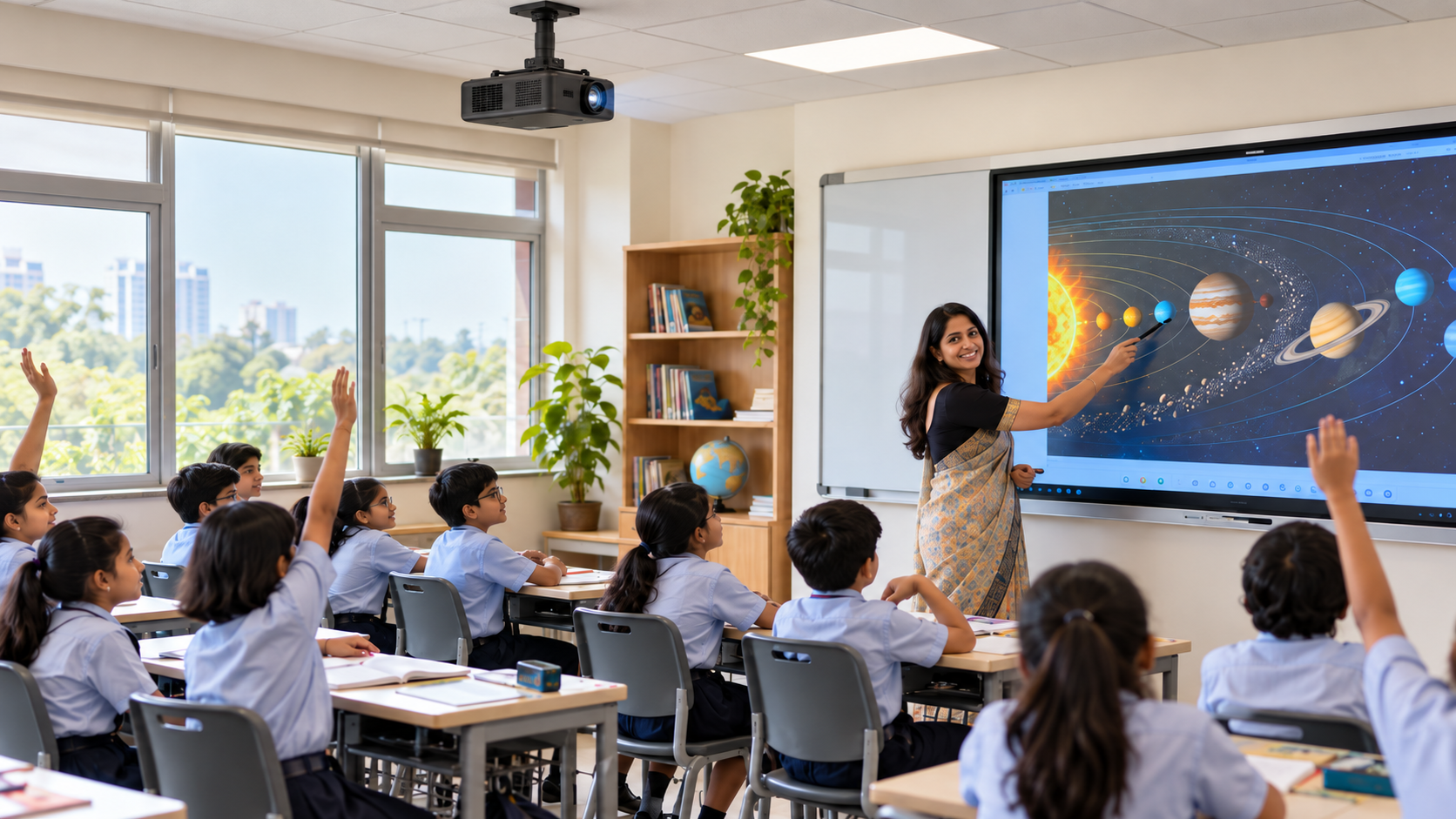
Every student is unique. They learn at different speeds, have varying strengths and weaknesses, and respond to different teaching styles. In a traditional classroom, it’s challenging for teachers to cater to the diverse needs of 20-30 students, let alone hundreds across multiple classes. This is where the role of AI in education comes into play.
AI-powered platforms can analyze students' learning patterns, preferences, and progress in real-time. By collecting data on every student’s performance, AI can suggest personalized learning paths for each individual. Whether a student is struggling with math concepts or excelling in language arts, AI helps tailor lessons to meet their specific needs.
This personalized learning frees teachers from the constraints of a one-size-fits-all approach. Rather than spending valuable time trying to find ways to reach every student, teachers can leverage AI-driven insights to offer targeted support. They can intervene with students who need more help or challenge those who are ahead, all without sacrificing the flow of the class.
Students feel seen and supported. They receive the individualized attention they need without having to raise their hand or wait for a teacher’s availability. It’s a more inclusive, equitable form of education where no student gets left behind.
2. Automating Administrative Tasks

If there’s one thing most teachers can agree on, it’s that they spend too much time on administrative tasks. Grading assignments, tracking attendance, and generating reports can take hours away from time that could be spent interacting with students. Here’s where AI steps in to save the day.
AI education tools can automate repetitive administrative tasks such as grading, attendance tracking, and even scheduling parent-teacher conferences. It can also analyze student data to generate progress reports or flag potential issues before they become significant problems.
By automating these routine tasks, AI allows teachers to refocus their efforts on actual teaching. Instead of getting bogged down in paperwork, teachers can spend more time interacting with students, planning more engaging lessons, or developing new teaching strategies.
The teacher’s extra availability translates into more face-to-face or digital interactions, where students can ask questions, seek guidance, or dive deeper into subjects they find fascinating. This ultimately fosters a more engaging and interactive classroom experience.
3. Real-Time Feedback: Instant, Actionable Insights
Imagine a world where teachers no longer have to wait until the end of the term to see how students are progressing. AI makes this a reality by providing real-time feedback, both for teachers and students.
AI-powered learning tools can monitor student performance as they complete assignments or tests. The AI can then provide immediate feedback on areas where a student might be struggling, allowing teachers to address learning gaps instantly rather than waiting for exam results.
Real-time feedback means teachers are no longer “flying blind.” They can adapt their teaching methods mid-lesson, addressing issues as they arise. Instead of following a rigid lesson plan, teachers can pivot to ensure the entire class is keeping up with the material.
For students, immediate feedback is invaluable. Rather than waiting for graded homework or quizzes, they know right away what they need to improve on. This fosters a sense of ownership over their learning and allows them to make adjustments before falling behind.
4. Enhancing Student Engagement
Students today are digital natives. They are used to interacting with technology in almost every aspect of their lives. AI can help bridge the gap between the traditional classroom and the digital world that students inhabit.
AI can be integrated into learning platforms, offering interactive digital classroom elements such as quizzes, games, or simulations. It can also provide additional resources, such as video tutorials or articles, that align with students' interests and learning needs.
AI in education serves as an extension of the teacher. It helps maintain student engagement by offering a variety of digital tools that appeal to different learning styles. Teachers no longer have to rely solely on textbooks or lectures. They can incorporate AI-driven resources to keep students engaged.
Students are more motivated to learn when the content is interactive and tailored to their preferences. AI-powered tools make learning fun and dynamic, helping students stay engaged and invested in their education.
Addressing Common Concerns About AI in Education
We understand that new technologies often come with hesitations. There may be concerns about data privacy, over-reliance on technology, or even the idea that AI could “replace” teachers. Let us address these concerns directly.
1. AI is an Assistant, Not a Replacement
AI for education is designed to support teachers, not replace them. While AI can handle repetitive tasks or offer personalized learning, the human touch is irreplaceable. Teachers remain at the heart of education, guiding, inspiring, and nurturing students in ways that no algorithm can.
2. Data Privacy and Security
AI tools used in education follow strict data protection protocols. Student information is encrypted, securely stored, and accessed only by authorized personnel.
3. Technology with a Purpose
AI is a tool. When used effectively, it can enhance teacher-student interaction rather than diminish it. The key is in how it is implemented. AI should never replace meaningful communication but should facilitate it.
Conclusion
At Roombr, we are committed to bringing the best of AI-powered solutions to the world of education. We’ve designed our tools with educators in mind, ensuring they are user-friendly, secure, and most importantly, effective at fostering meaningful teacher-student interactions. AI is not a distant dream—it’s a practical solution available today. If you’re ready to explore how AI in education can transform your classrooms, we’re here to guide you every step of the way. Together, we can create a future where education is smarter, more dynamic, and, above all, more impactful.
FAQs: AI in the Classroom – What Educators Need to Know
1. How does AI-powered learning enhance teacher-student interaction without replacing teachers?
AI automates administrative tasks and delivers personalized insights, giving teachers more time to engage meaningfully with students.
2. Is student data safe with AI-powered tools, and how is privacy ensured?
Yes. AI education tools such as Roombr follow strict data security protocols, including encryption, anonymization, and access control.
3. Can AI in classrooms adapt to different learning styles and needs?
Absolutely. AI tailors content and feedback based on individual performance and learning preferences.
4. Is AI suitable for both urban and rural classrooms?
Yes. With the right infrastructure, AI education tools can support diverse learning environments, from urban labs to rural schools, ensuring inclusivity and access for all.
Ready to Experience AI in Action?
Explore how Roombr’s digital classroom solution can help you personalize learning, save time, and boost engagement. Whether you lead a K-12 school or a higher educational institution, we’re here to guide your AI-powered journey.

Parvin Khatun
Share
Step Into the future of
Education with Roombr