

Choosing a college or university is a huge comparison exercise, and for most families, that critical decision is made before a single application is ever filed. Students and parents want to see a digital-first campus before they commit.
According to the Meritto Student Enrollment Trends Report, digital channels now drive a staggering 72% of student leads and 62% of total enrollments in India. This deep digital research shapes their entire perspective of a university, making modern classroom technology a major deciding factor in higher education.
This article explores how digital infrastructure directly impacts college admissions and enrollment. Whether you want to know how to market a college campus online or how a modern digital classroom creates a competitive edge, here is what your institution needs to know.
Why Prospective Students Evaluate Classroom Technology in Higher Education
The landscape of college admissions looks vastly different today than it did before 2020. What signaled a "good college" to a 17-year-old in the past is no longer enough.
Historically, campus infrastructure meant grand libraries and manicured lawns. Today, students and parents look closely at the education technology investment. They want to know how technology affects college enrollment and daily learning.
A strong digital classroom serves as a public proxy for institutional seriousness. When families evaluate higher education choices, they view technology alongside faculty credentials. This significantly influences parent decision-making during the admissions process.
A robust smart campus tells families that the institution prepares students for a digital workplace. It elevates the overall student experience far beyond traditional whiteboard lectures. This is why students choose a college with better technology over a traditional setup. Investing in a modern digital classroom proves your university is ready for the future.
Where Digital Infrastructure Impacts the Enrollment Journey
Understanding how to attract students to a college requires looking at the buyer's journey. The modern admissions funnel relies heavily on what students see and experience.
Here is how technology influences every step of student enrollment.
1. Awareness Stage and First Impressions
A university website acts as the very first campus visit for most applicants. Social media channels provide crucial social proof for modern education institutions.
If you want to know how to market a college campus online, start with visual evidence. Prospective students look for images of a modern digital classroom in action. They want to see real students engaging with advanced classroom technology.
This visual proof builds immediate trust and strengthens institutional branding. It moves students from passive browsing to actively considering an application. A strong online presence makes your higher education brand feel innovative.
2. Consideration Stage and the University Classroom Walkthrough
During the shortlist phase, families book a physical campus visit. This is where a university classroom walkthrough changes everything for a prospect.
Families actively compare a smart campus vs traditional campus for students. They often visit two or three shortlisted colleges back-to-back in a single weekend.
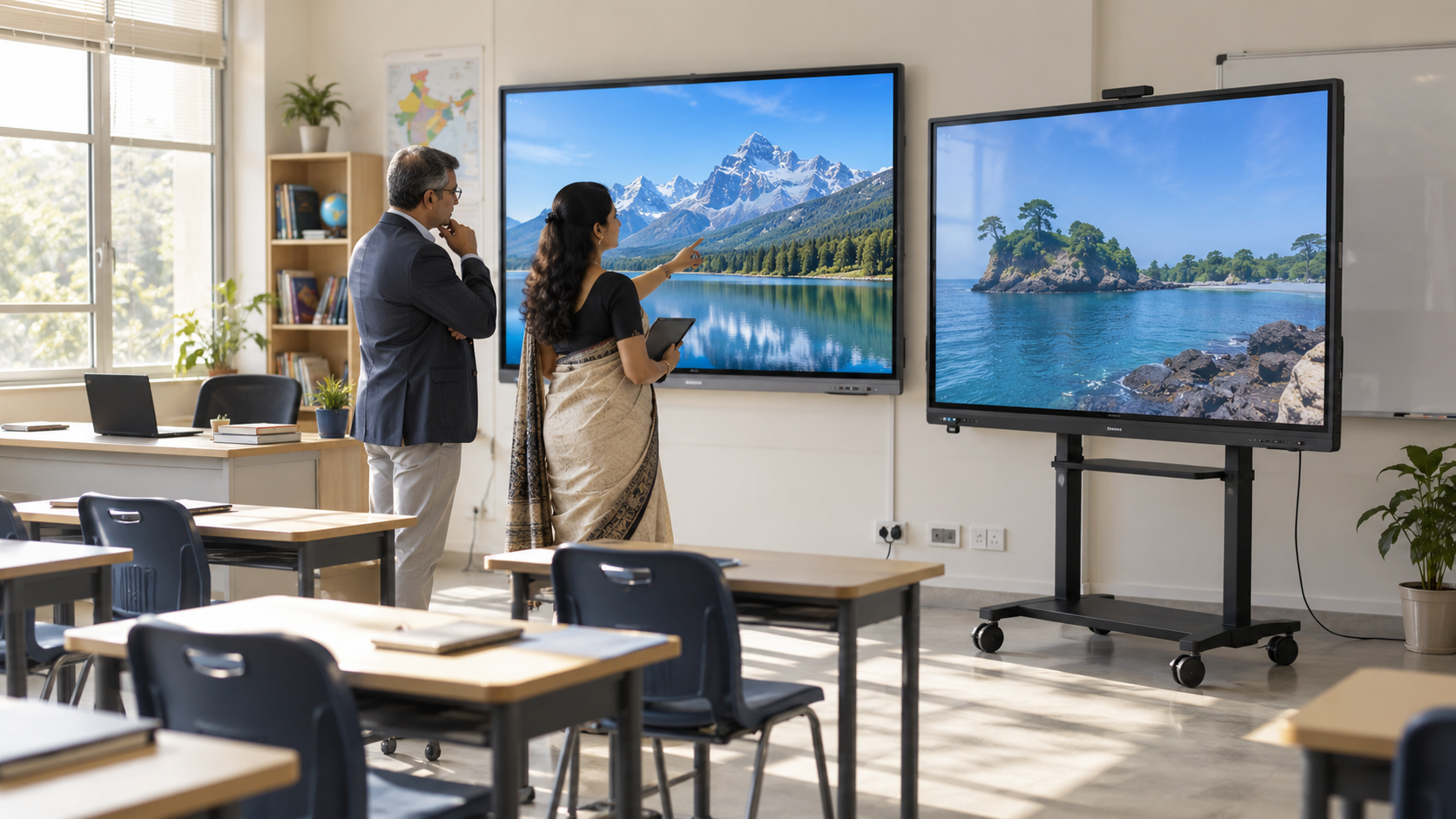
Walking into a space equipped with smart classroom solutions leaves a lasting mark. They immediately notice interactive displays and digital collaboration tools.
The physical presence of a digital classroom makes abstract marketing promises feel real. It gives families absolute confidence in the institution's technological capabilities.
3. Decision Stage and the Final Tie-Breaker Moment
The final round of parent decision-making is an incredibly stressful time. Families often weigh two otherwise-similar higher education options at the kitchen table. Here, robust campus infrastructure becomes the ultimate deciding factor.
Admissions staff play a huge role in reinforcing what families saw during the visit. Counselors remind students about the university classroom capabilities they experienced.
This highly targeted admissions marketing ultimately seals the deal. It proves that the institution invests directly in the daily student experience. Superior classroom technology consistently wins the tie-breaker.
Virtual Campus Tours and Hybrid Open Days in Higher Education
Not every prospective family can travel for a physical open house event. This is especially true for NRI applicants and out-of-state prospective students.
Families from Tier-2 and Tier-3 cities often skip expensive travel for early-stage visits. To capture this audience, a virtual campus tour for prospective students is essential.
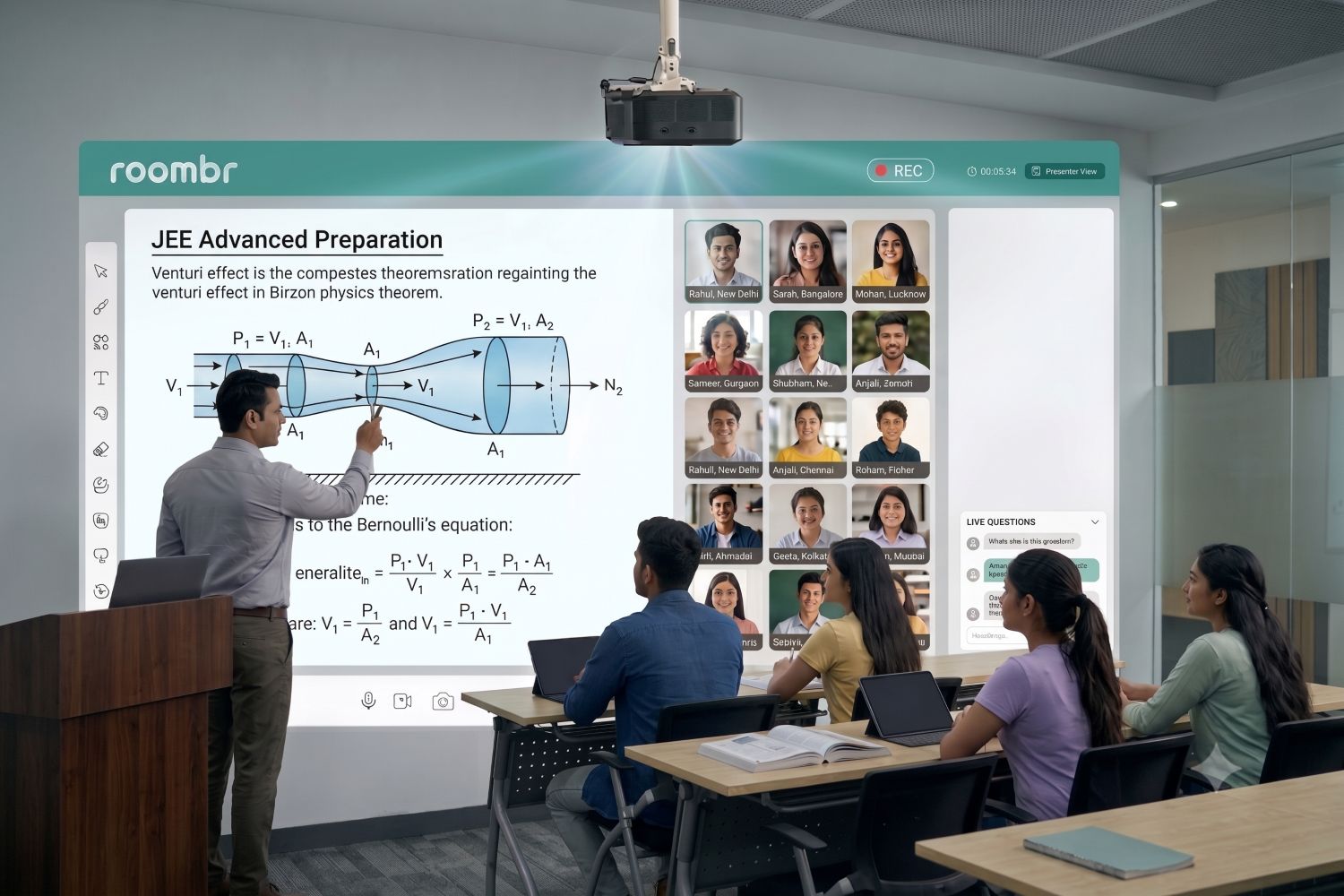
This is where hybrid classroom technology extends your admissions reach globally. You can leverage live-stream capabilities from a digital classroom to host remote visitors.
These hybrid open days erase geographical boundaries for education institutions. Prospective students can sit in on a live lecture from hundreds of miles away. They get a real feel for the higher education environment without leaving home.
Smart Campus vs Traditional Campus for Students
This level of access is a massive form of competitive differentiation. It shows that your campus is truly accessible and inclusive. Digital infrastructure for university admissions is no longer optional for remote reach.
Transform Classroom Outcomes Into Admissions Proof Points
Modern admissions marketing requires more than glossy brochures and slogans. You must use real engagement data as demonstrated proof of academic excellence. Prospective students want evidence that your smart classroom solutions actually work.
It is vital to distinguish this data clearly from standard placement statistics. Placement stats show job outcomes, but classroom data proves academic quality. This specific strategy focuses on the daily grind of higher education. It highlights how easily students collaborate and access recorded lectures.
However, it is crucial to avoid overclaiming your technological capabilities. Stick to verified claims about how your digital classroom improves student participation. Honest proof points build long-term trust in your institutional branding. They show parents what their tuition money is funding.
Stand Out in a Crowded Higher Education Market with Smart Classroom Solutions
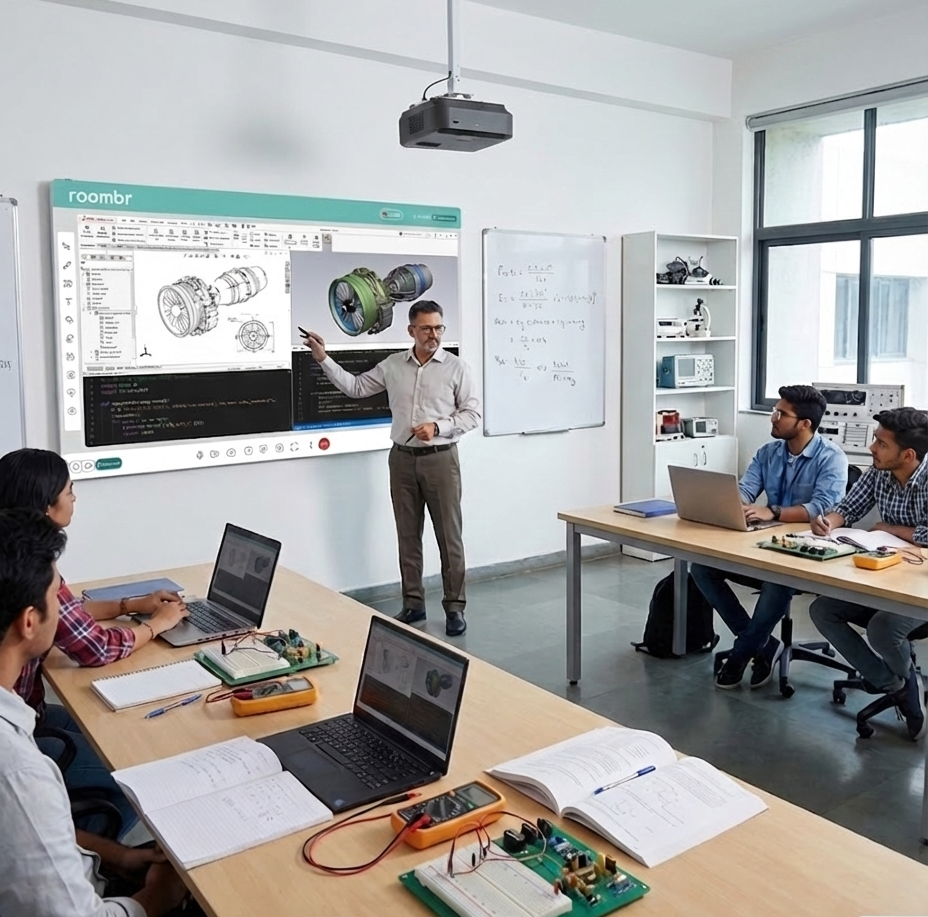
The proliferation of private colleges in India has created intense competition. Rising admissions marketing budgets mean every institution is fighting for attention. To survive, your education institutions need a clear and highly visible differentiator.
Traditional metrics like faculty credentials and placement records are now baseline expectations. They no longer guarantee high student enrollment on their own. This is where investing in smart classroom solutions completely changes the narrative.
A highly visible modern classroom immediately sets you apart from legacy peers. It proves that your institution is forward-thinking and heavily funded for the future.
When families see this classroom technology, they feel safer about their financial investment. It provides a tangible reason to choose your campus over a cheaper alternative.
This visual strategy effectively insulates your higher education brand from price wars. Students gladly pay a premium for a superior, technology-driven learning experience.
Avoid These Institutional Mistakes When Marketing Digital Infrastructure
Many colleges make critical errors when showcasing their campus infrastructure. The most common mistake is overselling unverified tech claims in the university prospectus.
Marketing a "future-ready campus" means nothing if the Wi-Fi drops during a tour. This creates a massive gap between marketing promises and actual visitor experiences. When families spot this disconnect, they immediately lose trust in the institution.
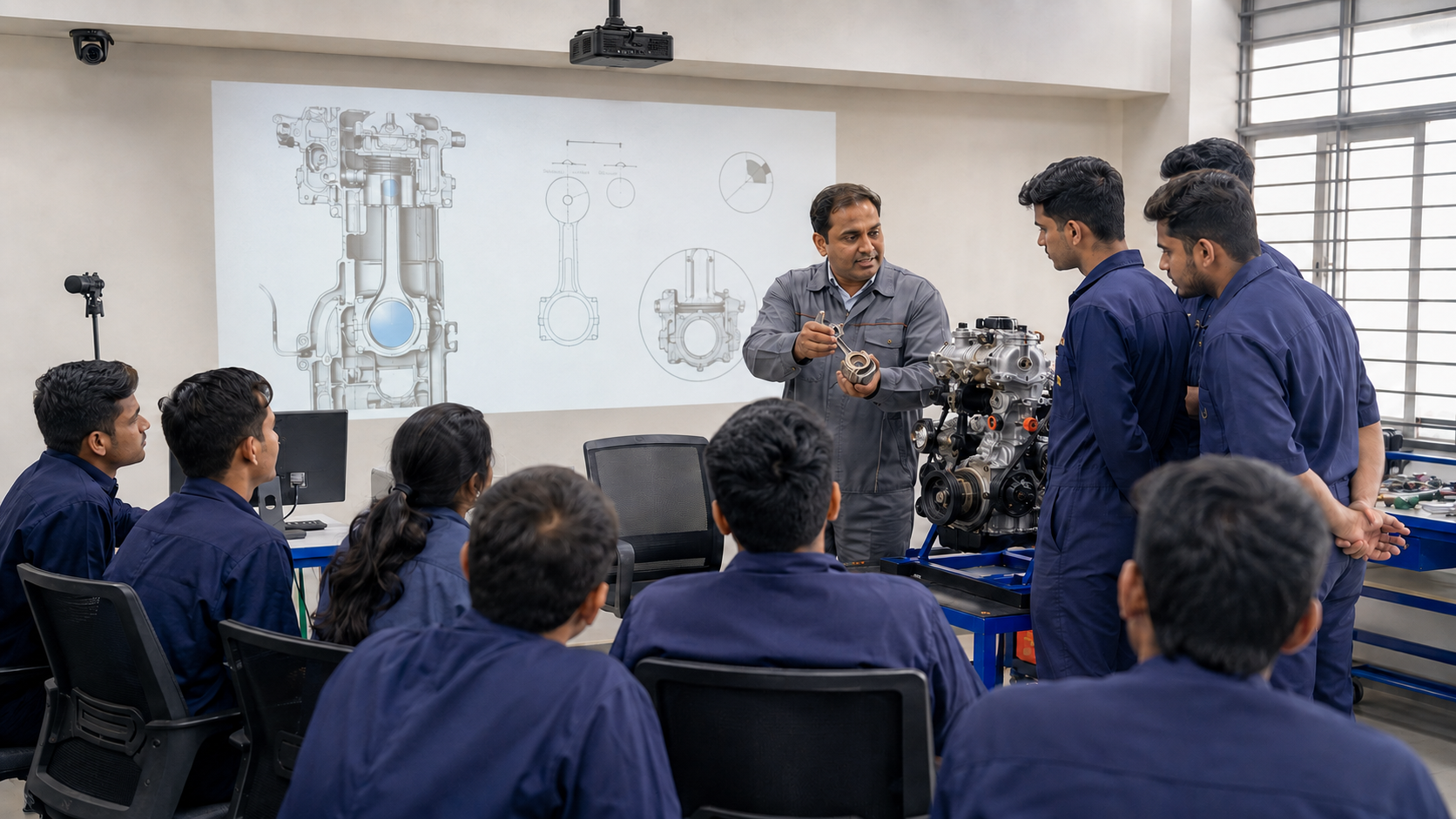
Another frequent error is failing to let visitors see the tech in action. A powered-off university classroom just looks like a standard room with expensive monitors. Institutions must integrate active demonstrations into every single campus visit.
Without a live demo or a virtual tour option, the investment remains invisible. You must ensure your education technology investment is fully operational during tours. Train your staff to highlight these tools seamlessly.
A Practical Checklist for Admissions Teams in Higher Education
Bridging the gap between technology and student enrollment requires a clear plan. Admissions and marketing teams should follow these specific operational steps.
Use this checklist to optimize your higher education marketing strategy.
- Audit what a prospective visitor actually sees and touches during a campus tour.
- Align prospectus claims with what is operationally live, not what is "coming soon."
- Train admissions counselors on specific classroom technology talking points.
- Avoid vague "smart campus" language and focus on real student benefits.
- Add a recorded tour option for remote applicants exploring education institutions.
- Use real university classroom footage rather than generic stock photography.
- Get direct faculty input before publishing any digital infrastructure claims.
Following these steps ensures your marketing matches your operational reality. It protects your institutional branding from empty promises.
Frequently Asked Questions
1. Does digital infrastructure influence a student's choice of college?
Yes, digital infrastructure is a major deciding factor in higher education. Students associate a modern digital classroom with better career preparation and a superior daily student experience.
2. How can smaller or Tier-2 colleges compete on this without large budgets?
Smaller education institutions can focus on strategic, high-impact upgrades. Instead of overhauling every room, they can create flagship hybrid rooms using affordable smart classroom solutions that impress during a campus visit.
3. What is the difference between marketing digital infrastructure and marketing placement outcomes?
Marketing placement outcomes focus strictly on life after graduation. Marketing a digital-first campus focuses on the quality of daily life, learning, and classroom technology while the student is actually enrolled.
4. How do virtual campus tours work for a university classroom visit?
Virtual tours use live-streaming or interactive cameras inside a university classroom. This allows remote prospective students to experience the classroom technology and teaching style without expensive travel.
5. How does a digital-first campus improve admissions marketing?
A digital-first campus provides admissions teams with highly visual, tangible proof of institutional quality. Instead of making vague promises about academic excellence, marketers can showcase real smart classroom solutions in action through recorded lectures and virtual tours, directly increasing student enrollment confidence.
6. What specific classroom technology do prospective students look for?
Prospective students actively look for advanced digital displays, seamless hybrid learning capabilities, and reliable lecture-recording infrastructure. They want absolute assurance that the university classroom supports modern collaboration, proving that the institution's education technology investment will prepare them for a digital workplace.
Drive Enrollment Through Meaningful Innovation
Upgrading your digital infrastructure is no longer a cosmetic IT project. It is a highly strategic investment that directly drives student enrollment and admissions.
When you understand why universities need digital classrooms today, you instantly enhance the entire student lifecycle. Modernizing your campus ensures you consistently attract and retain the brightest minds in a competitive market.
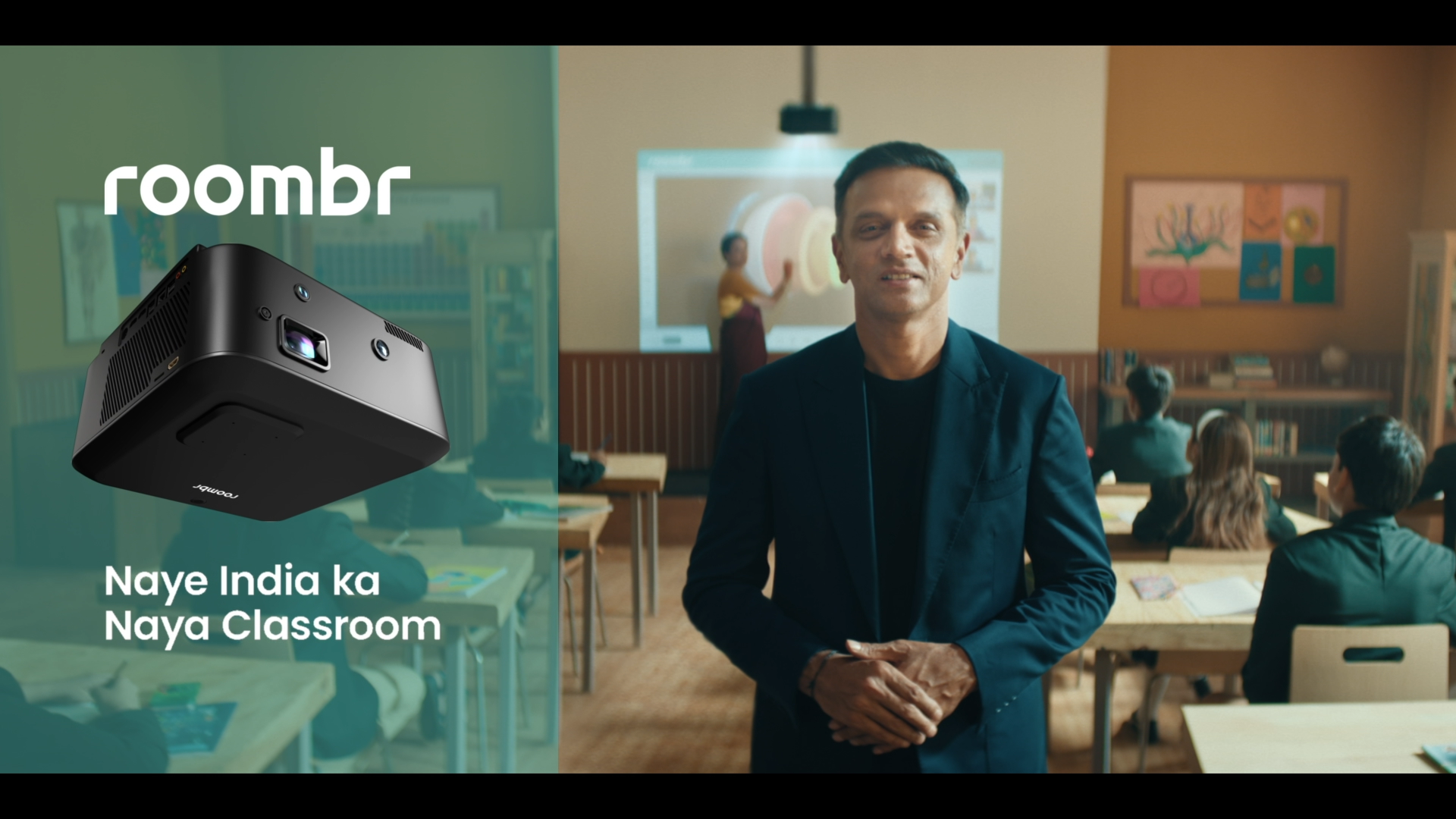
Discover how Roombr's digital classroom solutions can completely transform your campus. Let us help you build a higher education environment that truly stands out.
Curious to see the technology in action? Book a quick, personalized demo with our team right here.

Foziya Abuwala
Share
Step Into the future of
Education with Roombr