
In education, what we choose to measure shapes everything. Assessment goes beyond simply giving marks. It tells us how students think and grow. For decades, paper exams were the absolute gold standard. But as schools embrace a digital classroom setup, the way we evaluate learning needs an upgrade.
What Defines Traditional Assessment
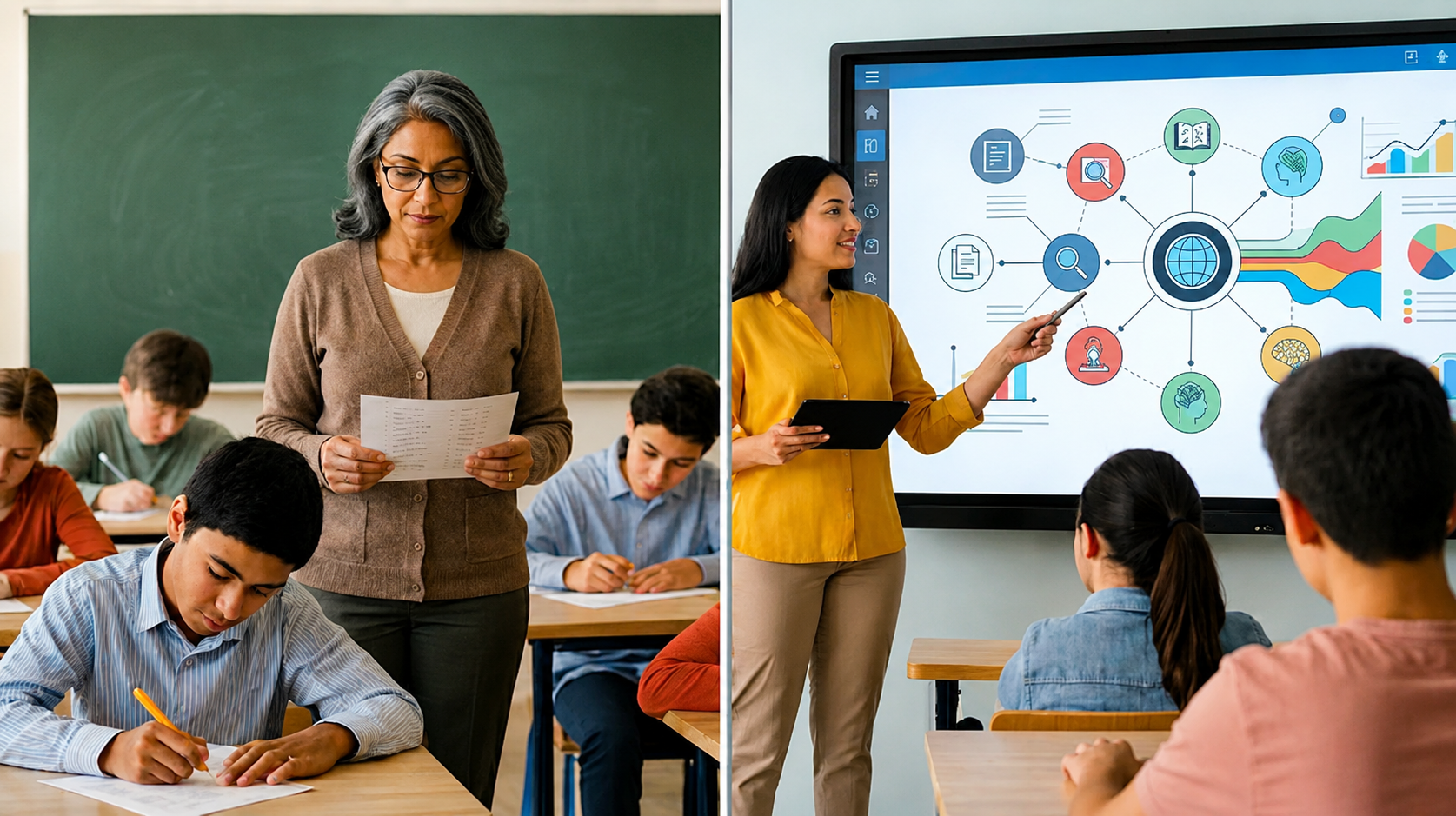
Traditional evaluation refers to the standard paper-based tests we all know. Ask any educator about typical classroom assessment techniques, and the answer is almost always the same.
The format involves:
- Printed question papers
- Fixed-time written exams
- Teacher-corrected answer sheets
- Once-a-term evaluations
This system is very straightforward. It remains the backbone of many Indian board exams. However, it creates major bottlenecks. Educators often lose valuable teaching time because they are stuck grading papers for hours. Feedback gets delayed by weeks.
For many schools, these methods are still the default. But in classrooms evolving with technology, they feel extremely limiting. We need better assessment methods to understand student learning outcomes.
What Defines Digital Classroom Assessment
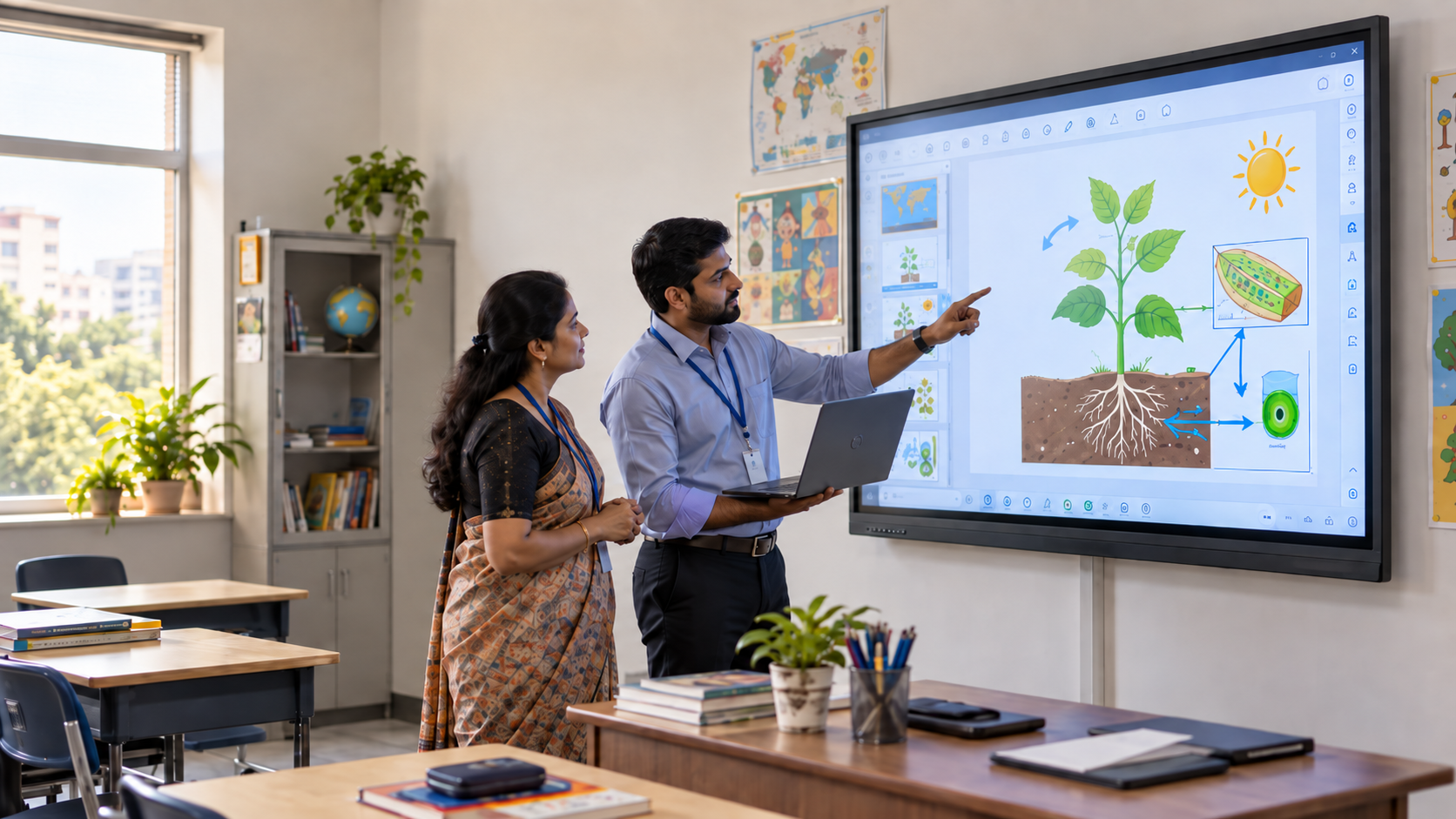
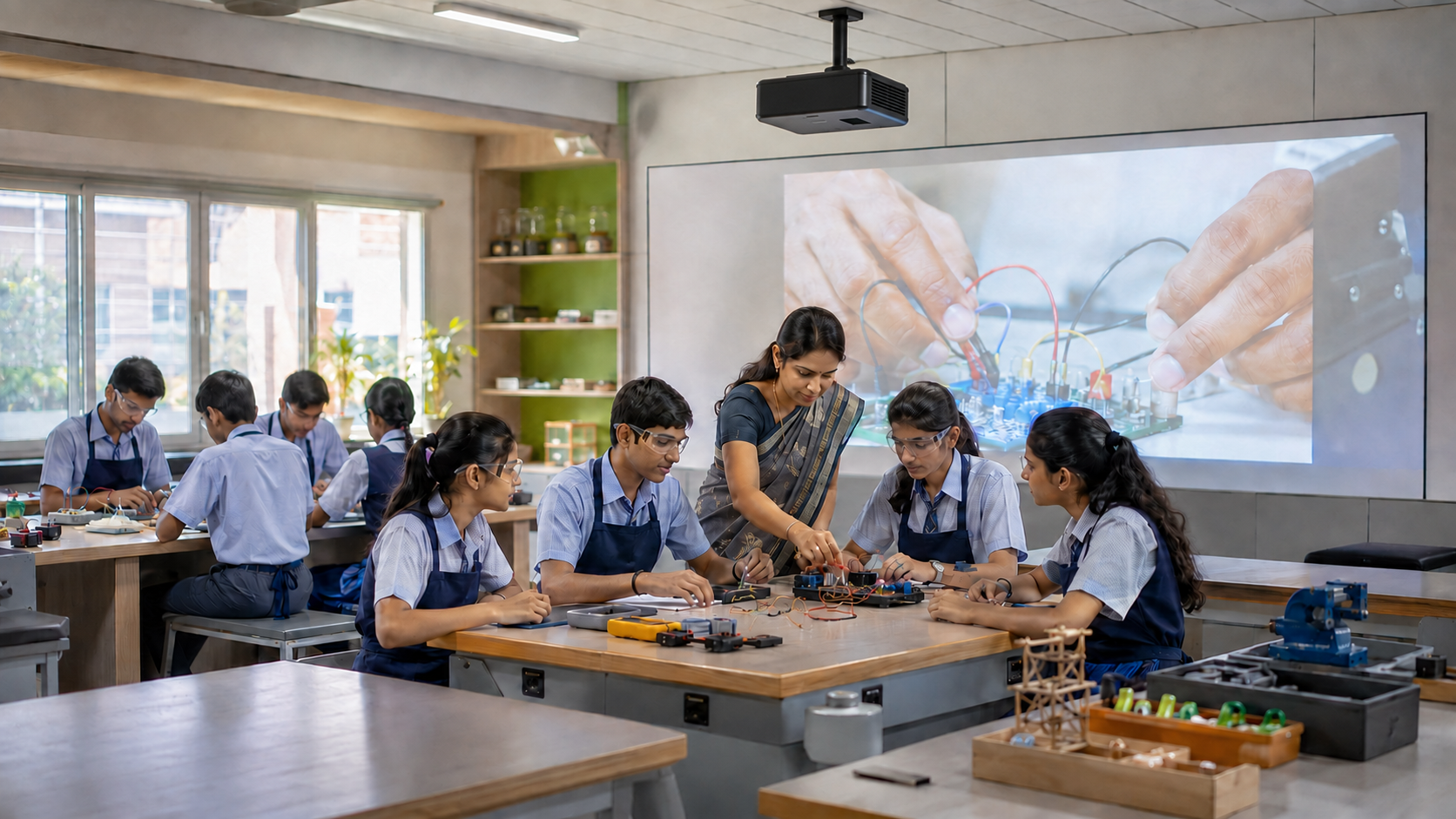
When a school adopts a modern digital classroom, evaluation undergoes a total paradigm shift. It goes far beyond merely uploading a flat PDF test onto a screen.
This approach weaves evaluation directly into daily learning frames. Parents receive consistent progress updates rather than waiting for traditional term-end report cards. The entire institutional focus shifts toward tracking clear and measurable learning outcomes.
Instant Quizzes and Real-Time Course Correction
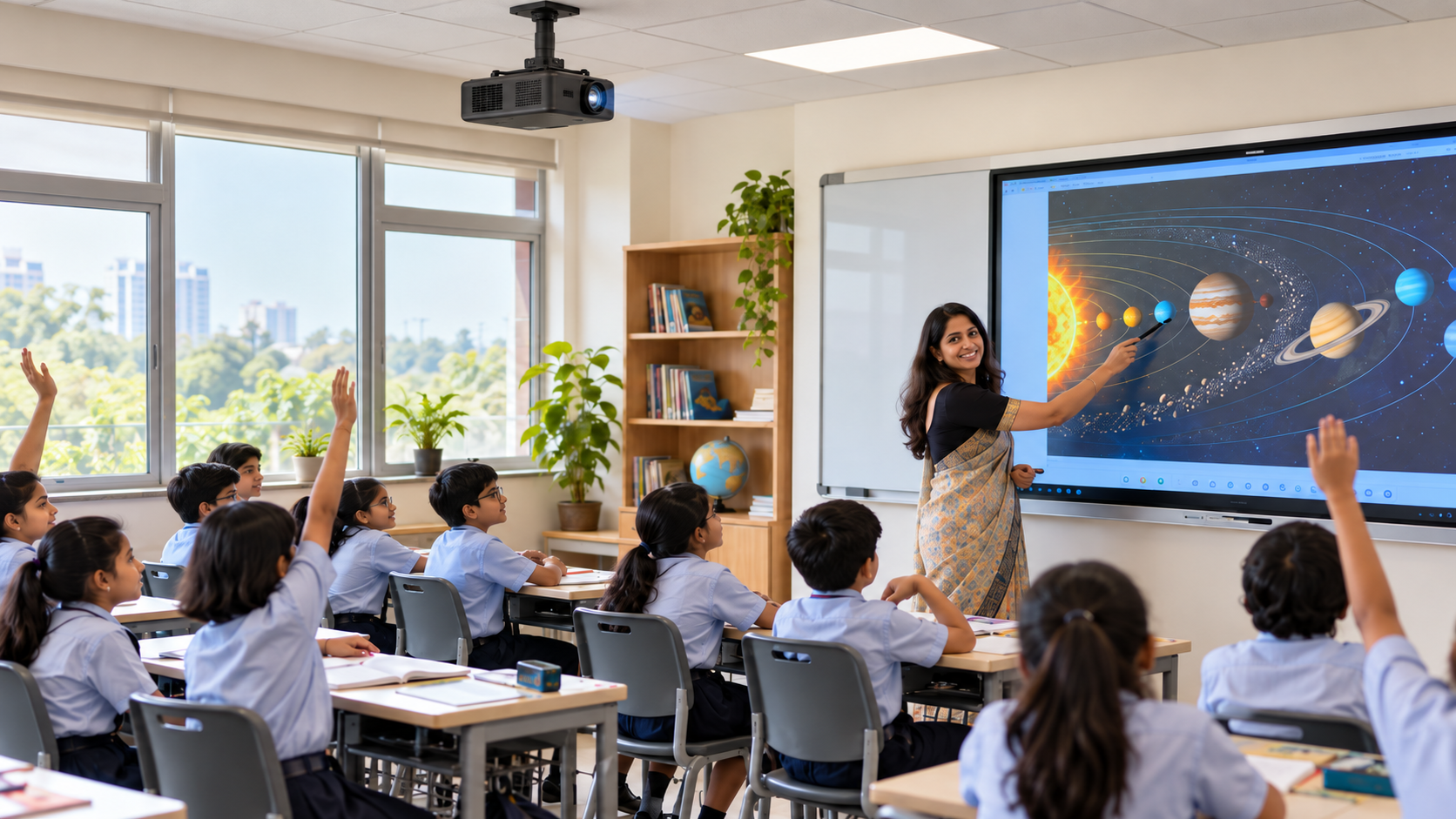
Teachers can evaluate students understanding the moment a concept is taught. Built-in assessment tools gauge class comprehension in seconds.
If the data shows that students are struggling, the educator can pivot. They can reteach tricky material immediately before the lesson ends. This agility shows the true power of a digital classroom.
Multimedia Formats for Diverse Learners
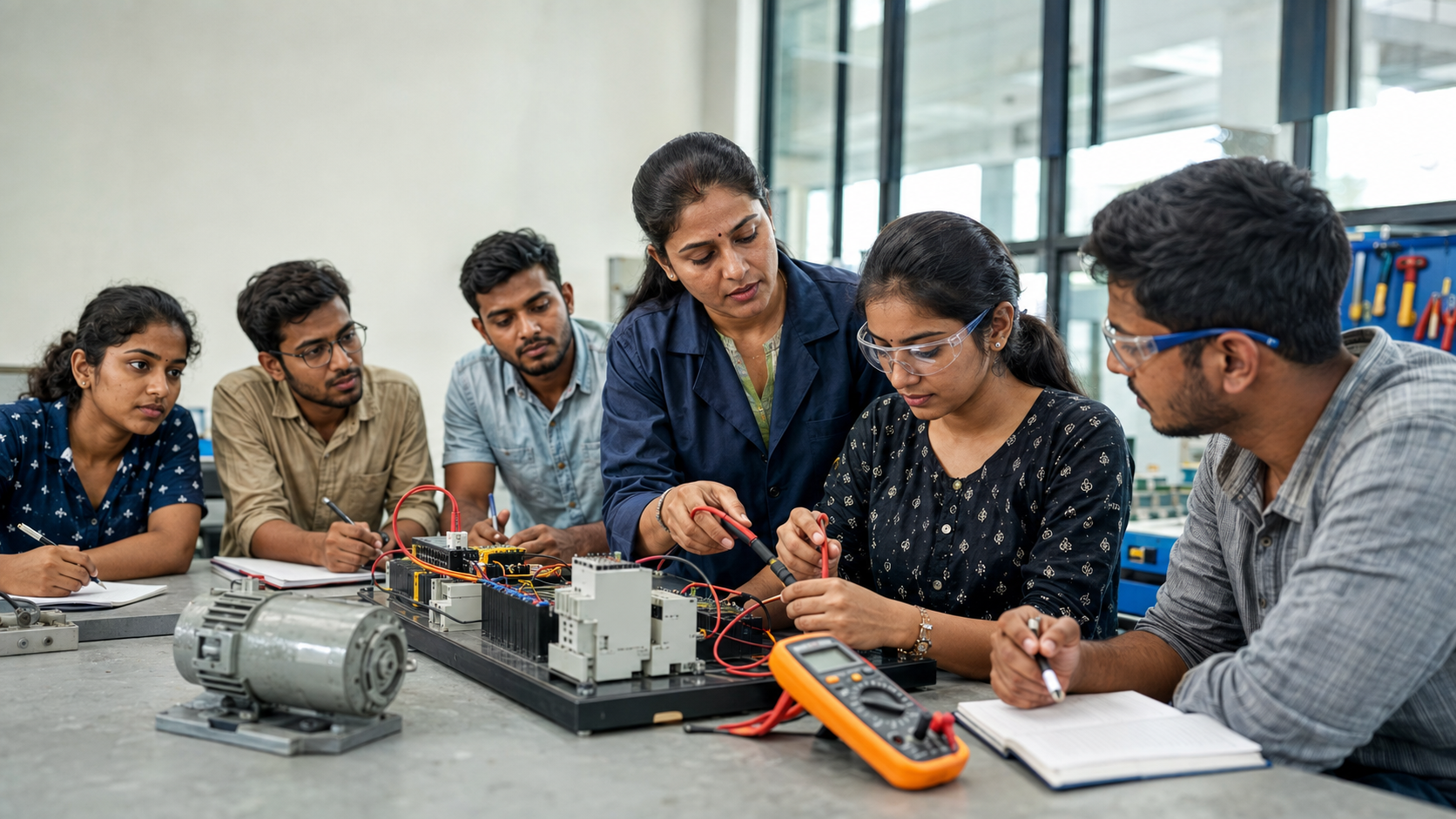
Traditional paper tests often restrict children who struggle with written expression. Utilizing creative digital tools for assessment levels the playing field for everyone.
Learners can demonstrate their true knowledge through voice notes, short videos, or interactive slides. These different assessment methods build genuine academic confidence in every child.
Traditional vs Digital Classroom Assessment: At a Glance
To prepare students for a fast-moving world, we must examine the tools we use.
Here is a clear comparison.
Why Digital Classroom Assessment is the Future
The education landscape across India is changing rapidly. Institutions need smart classroom solutions that support modern demands and build better academic foundations.
1. Gain Real-Time Teaching Insights
Imagine knowing which students are falling behind before the final exam happens. Teachers get quick snapshots of learning gaps during the lesson itself. They do not have to guess who needs extra help.
2. Support Diverse Learning Styles
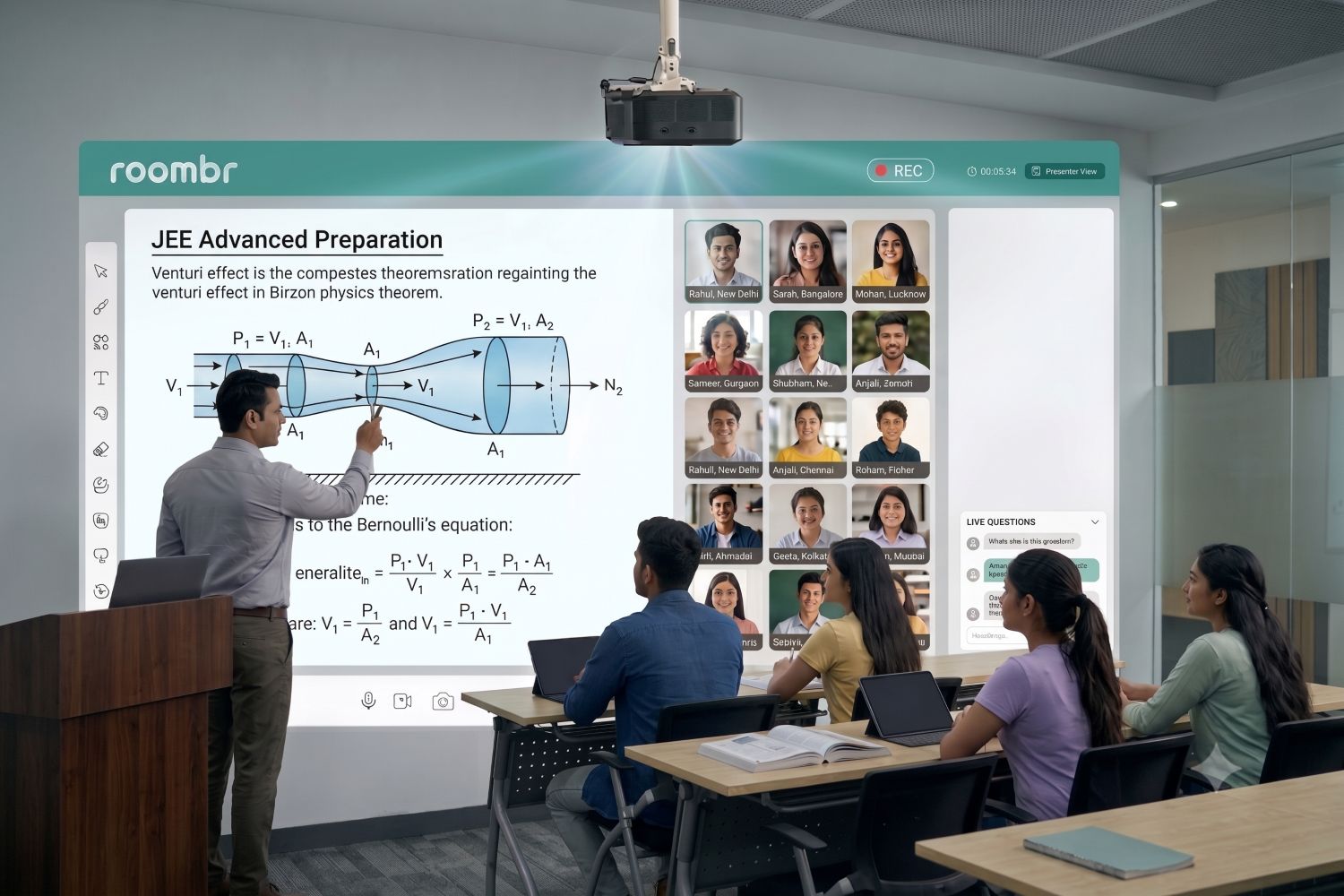
Every student learns differently. Some excel at writing, while others express themselves better visually. With active class recording features, absent students can catch up easily.
3. Reclaim Valuable Educator Time
Teachers spend countless hours tallying marks manually. When a system handles the grading, educators reclaim that time. They can redirect that energy into lesson design or personal mentoring.
4. Align with Modern Educational Mandates
The National Education Policy (NEP) 2020 pushes heavily for continuous evaluation. The CBSE 2026 guidelines also require schools to test real-world applications. School assessment methodologies must adapt to track these competencies easily and accurately.
The Blended Approach in a Hybrid Classroom
In many Indian schools today, a blended model is taking shape. Teachers use digital quizzes for daily feedback but return to paper for term-end exams.
This hybrid classroom setup helps maintain familiarity while introducing positive change. It ensures a smooth transition. Mastering new technology takes time and consistent practice. Teachers cannot learn a whole new platform in a day.
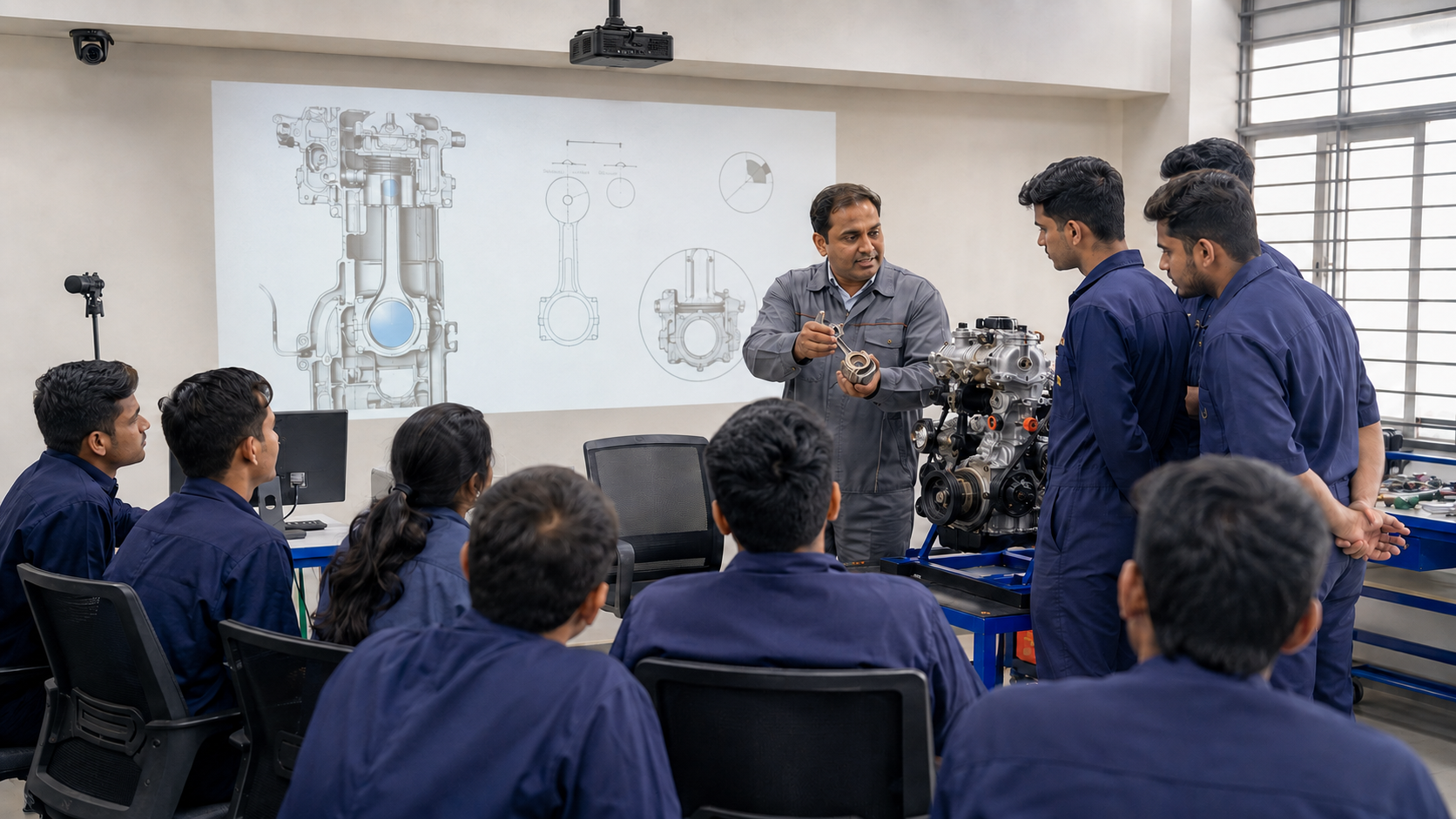
Progressive higher education institutions already integrate these tools deeply. They use advanced lecture capture technology and classroom recording software for continuous evaluation. This blended approach ensures students are prepared for board exams and a tech-driven future.
What to Look for in a Digital Classroom Setup for Schools in India
If your educational institution is planning to transition, do not just buy random software. Look for comprehensive solutions that check the right boxes.
A reliable system should be:
- Easy for teachers to navigate without requiring constant IT support
- Seamlessly integrated into existing classroom environments
- Designed to support constructive feedback rather than just assigning marks
- Built to connect teaching and evaluation into one fluid motion
A great digital classroom solution lets you teach, engage, evaluate, and share from a single centralized hub. With dual cameras, auto-recorded sessions, built-in quizzes, and real-time sharing, Roombr turns every class into an active learning loop.
Frequently Asked Questions
1. What are the best digital assessment tools for teachers?
The most effective tools include interactive display software, real-time quiz platforms, and automated grading systems. An all-in-one solution like Roombr combines these tools with live classroom recording to make continuous evaluation seamless.
2. How do digital tools for assessment improve student learning outcomes?
Digital evaluation provides immediate performance metrics to pinpoint specific learning gaps. This allows educators to modify their teaching strategies instantly, rather than waiting for term-end exam results to offer support.
3. Can a hybrid classroom setup support both traditional and digital evaluation methods?
Yes. A blended approach allows schools to run daily formative assessments digitally while using traditional paper methods for formal board examinations. This provides a balanced transition for both students and staff.
4. Why are higher education institutions moving away from traditional testing?
Modern institutional frameworks require measurable data on skill application rather than simple memorization. Digital classroom setups make it easy to track complex competencies and maintain secure records for national accreditation audits.
5. How does smart board technology in the classroom change daily teaching?
This hardware replaces passive projection with interactive surfaces. Teachers can manipulate diagrams, save digital whiteboard notes, and run real-time student polls directly from the screen. This shifts the classroom from a traditional lecture setup into a highly collaborative learning environment.
6. What should be included in a smart classroom equipment list?
A complete setup requires an interactive display, a clear camera system, and integrated microphones for hybrid learning. It also needs reliable classroom recording software to capture sessions for student revision. Platforms like Roombr combine all these essential components into a single plug-and-play device.
7. Why is measuring student learning outcomes digitally more reliable?
Digital measurement tracks daily progress automatically instead of relying on a single final exam score. This continuous data collection eliminates personal grading bias. It gives school administrators clear, evidence-based metrics to share during official institutional audits.
The Final Word on Student Evaluation Tools
There is no need to discard traditional tests entirely. They serve a very specific purpose for structured evaluations.
But to prepare students for the modern world, we need to adapt. A digital classroom upgrade supports deeper learning and offers better visibility. By adopting modern tools and techniques for classroom assessment, educators can teach better.
Ultimately, measuring student learning outcomes correctly helps students learn smarter. Discover how Roombr Digital Classroom simplifies this entire transition for institutions across India.

Foziya Abuwala
Share
Step Into the future of
Education with Roombr